Removing a motorcycle muffler is a task riders often perform when upgrading to a new exhaust system, performing maintenance, or inspecting the engine’s exhaust flow. The process may appear simple, but since the muffler is attached to both the exhaust header and the frame, proper technique is essential to prevent damage. Understanding how the factory system is assembled helps reduce the risk of breaking clamps, scratching metal surfaces, or stressing the mounting brackets.
For riders planning to upgrade to a precision-built exhaust, RUIYUE provides a complete line of professionally engineered options. The motorcycle exhaust series is designed for stable fitment, controlled sound tuning, and long-term durability.
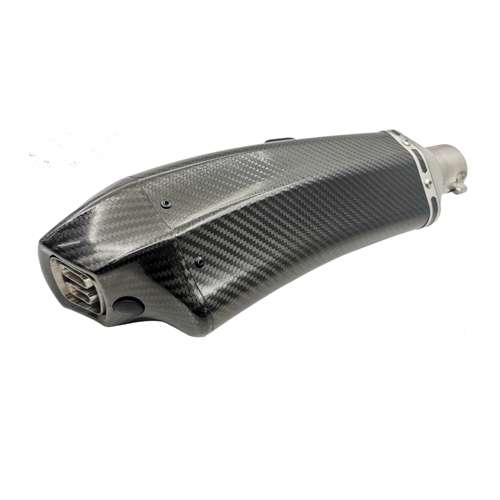
Many riders remove a muffler to replace it with a lighter unit, achieve a different exhaust tone, or perform maintenance on the catalytic section or mid-pipe. On some motorcycles, carbon buildup inside the muffler also affects engine performance and requires internal cleaning or replacement. Understanding the motivation behind removal helps determine what tools and preparations are necessary.
In addition, motorcycles often combine several fasteners, including bolts, clamps, and slip-fit joints. Knowing how these components work together ensures the removal process proceeds smoothly without unnecessary force or damage.
Although a muffler is not large, it is secured tightly due to constant vibration and heat cycles. Preparing the correct tools prevents stripped bolts and avoids damaging the surrounding components.
Typical tools include:
socket wrench set
hex or Torx keys depending on the motorcycle model
penetrating oil for stuck fasteners
rubber mallet (if needed for gentle tapping)
heat-resistant gloves
Riders upgrading to a new system, such as RUIYUE’s motorcycle exhaust assemblies, may also need mounting hardware supplied with the replacement unit.
A muffler reaches high temperatures while the engine is running. The motorcycle must cool completely before removal. The bike should also be placed on a stable stand to avoid movement during disassembly. Some riders disconnect the negative battery terminal to prevent accidental starts, particularly on models with sensitive electronics.
Working in a ventilated area is important, as exhaust components may still carry fuel vapor. Additionally, spraying penetrating oil on the clamp bolts several minutes before removal helps loosen carbon-seized threads.
The basic removal method is similar across different motorcycle types, but each step must be done with attention to detail. Below is a structured workflow used by technicians to remove a muffler cleanly.
Most mufflers connect to the mid-pipe or header using a steel clamp. Loosening this clamp breaks the seal created by heat expansion. Slowly turning the bolt prevents thread damage. If the clamp has not been removed for years, corrosion or carbon residue may make it difficult to loosen, which is why penetrating oil is helpful.
Mounting bolts secure the muffler to the motorcycle frame. These bolts absorb vibration during riding, so they are tightened firmly. Removing them requires supporting the muffler with one hand to prevent sudden dropping. A muffler falling unexpectedly can scratch the swingarm or damage the mounting tabs.
Once the clamp and bolts are loosened, the muffler must slide off the mid-pipe connection. Some mufflers detach easily, while others require twisting and gentle pulling. A rubber mallet may be used to tap the shell lightly to break the seal. Metal hammers should not be used, as they can deform the muffler body.
After removal, inspecting the exhaust gasket, clamp, and mounting points is important. Gaskets often compress under heat, and replacing them ensures the new muffler seals properly. If the muffler is being replaced with a RUIYUE unit, new mounting hardware is typically included for secure installation.
Carbon buildup at the connecting joint can make installing a new muffler difficult. Cleaning the area with a soft brush or solvent ensures a proper seal and reduces the chance of exhaust leaks after reinstalling the system.
| Attachment Type | Description | Removal Difficulty |
|---|---|---|
| Slip-on clamp | Muffler slides over mid-pipe and is tightened with a clamp | Easy |
| Bolted flange | Fixed flange attached directly with bolts | Moderate |
| Integrated mid-pipe | Muffler and mid-pipe form one unit | Moderate to difficult |
| Welded system | Welded to the exhaust header | Difficult (requires cutting and rewelding) |
Most modern motorcycles use clamp-based slip-on systems, making them easier to remove when compared to older welded units.
Even with proper technique, several challenges may appear. Corrosion is one of the most common issues, especially on motorcycles stored outdoors. Bolts may seize, requiring heat application or bolt extractors. Excessive force should be avoided because bending the mid-pipe or damaging the mounting brackets can affect the alignment of the new exhaust.
Another challenge is paint or coating damage to surrounding components. Protecting nearby bodywork with cloth or padding during removal helps prevent scratches.
Riders planning to install high-quality replacements often choose professionally engineered options such as RUIYUE’s motorcycle exhaust, which are designed for straightforward installation and stable mounting.
Once the muffler is off, the exhaust system should be inspected to ensure it is ready for installation of a new component or reassembly of the existing one.
Important points include:
condition of the mid-pipe surface
integrity of the mounting bracket
gasket compression level
clamp tensioning range
exhaust leak marks near previous joints
A clean and structurally sound mounting area ensures the new muffler will perform correctly and maintain ideal backpressure for engine efficiency.
Mufflers degrade over time due to vibration, heat cycles, moisture, and carbon accumulation. Some signs that a muffler should be replaced include rattling sounds, internal baffle failure, leaks, worn end caps, or corrosion holes. Because sound output and performance are affected by internal damage, many riders upgrade to a modern exhaust when removing the old muffler.
RUIYUE produces exhaust systems using controlled welding methods, precision forming equipment, and heat-resistant materials that ensure long service life. Installing a new system from the motorcycle exhaust line provides consistent sound quality, stable fitment, and improved durability compared with older factory components.
If the original muffler is being reinstalled, new gaskets are recommended. Using the old gasket can result in minor leaks that affect fuel economy and throttle response. Mounting bolts should be tightened gradually and evenly to avoid misalignment. Finally, starting the engine after reinstallation allows the rider to check for exhaust leaks or unusual sounds.
Upgrading to a new muffler follows a similar installation pattern, but replacement systems often require additional brackets or spacers. Manufacturers such as RUIYUE supply detailed mounting instructions and hardware tailored to each exhaust model.
Removing a motorcycle muffler is a manageable task when performed with proper tools, preparation, and technique. Loosening the exhaust clamp, supporting the muffler during bolt removal, detaching it from the mid-pipe, and inspecting surrounding components form the core of the process. Challenges such as corrosion or tight joints can be overcome with penetrating oil, steady handling, and appropriate safety precautions.
Whether removing the muffler for maintenance or replacement, riders benefit from choosing professionally designed exhaust systems that ensure stability, durability, and optimized performance. RUIYUE’s motorcycle exhaust product line provides engineered solutions for riders seeking long-lasting quality and precise fitment for their motorcycles.


 Mobile Phone:
 Phone:
 Contact Now