Fender fitment issues are one of the most frequent challenges encountered in motorcycle customization and repair. Whether you’re installing a new aftermarket fender or adjusting an existing one, improper fitment can lead to alignment problems, tire clearance interference, vibration, and even safety concerns. Understanding how to diagnose and correct these issues efficiently is essential for professional workshops, builders, and riders alike.
At CRAZY OLD MAN, we specialize in high-quality modified motorcycle parts designed for reliable fitment and performance. Our products are engineered with precision so you can minimize fitment problems from the start. To explore our full range and find components suited for your motorcycle build, visit our catalog here: CRAZY OLD MAN products.
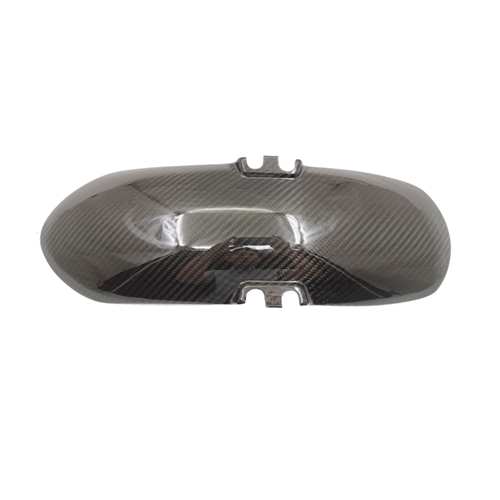
Fender fitment issues typically arise from mismatches in mounting geometry, tolerance variations between parts, incorrect hardware use, or improper installation procedures. These problems can manifest as misaligned bolt holes, uneven spacing between the fender and tire, rubbing or scraping under suspension compression, manufacturing variances, or even frame distortion from previous impacts.
Because fitment issues are usually related to cumulative tolerances rather than a single defect, a systematic approach is required to identify and fix the root cause, not just the symptom.
To fix a fender that doesn’t sit correctly, start by evaluating three primary factors:
Alignment with the Wheel Centerline
Check whether the fender is centered relative to the wheel. Looking down the front of the bike, the gap between the tire and fender should be equal on both sides. If not, this indicates a centering issue due to spacers, mounts, or bracket misplacement.
Bolt Pattern and Mounting Hole Match
Ensure that the fender’s bolt holes align with the mounting points on the forks or braces. Slight misalignment can push the fender into a rotated or skewed position, leading to uneven clearance.
Tire Clearance and Suspension Travel
With the bike at rest and under compression (pressing down on the handlebars or simulating suspension travel), observe how the fender clears the tire. Many fitment issues only become apparent when the suspension compresses, revealing interference that was not visible during static measurement.
Below is a structured method that professionals use to correct most fender fitment problems:
Partially loosen all bolts that secure the fender so it can move freely but not fall out of position. This allows you to adjust the fender without being constrained by one fastened corner.
Inspect every bracket and mounting tab for proper seating. Sometimes overspray from powder coating or paint can create a raised edge that prevents full contact. Light sanding or cleaning can help the parts sit flush and align better.
With hardware loosened, manually adjust the fender until the left-to-right gap between the tire and fender edge is even. Once centered, hold this position using a soft clamp or alignment jig if available.
If bolt holes don’t naturally align after centering, check the spacer stack and fastener lengths. Incorrect spacers or mismatched washers can shift the fender out of position. Use spacers of equal thickness on both sides and verify with a simple caliper measurement.
Tighten the bolts in a cross-pattern sequence, a little at a time, re-checking alignment and clearance as you go. This prevents one side from pulling the fender out of position as hardware torque increases.
Once fastened, compress the suspension to simulate real-use conditions and watch the gap between the tire and fender. Ensure there is sufficient clearance throughout the range of movement.
Cause: Uneven spacer stack, asymmetric bracket seating.
Solution: Equalize spacer thickness, reseat brackets, and confirm wheel alignment.
Cause: Suspension compression reduces clearance.
Solution: Reposition fender slightly higher, align with suspension travel path, verify tire size and profile.
Cause: Manufacturing tolerance, incorrect hardware stack.
Solution: Recheck bolt stack components, use slotted holes if available to allow minor adjustments.
Cause: Loose fasteners or insufficient torque.
Solution: Re-torque using a torque wrench (consult torque specs), use thread locker if appropriate.
Cause: Protective film or edge contact during clamp tightening.
Solution: Pre-tape edges, handle parts with care, and use protective washers.
The way a fender is finished can influence fitment behavior:
Paint or Powder Coating Thickness: Thicker finishes at mounting interfaces can prevent full seating and lead to skewed alignment. Removing finish at contact points can improve fit.
Protective Films: Many aftermarket fenders come with protective film. Remove these before final alignment to ensure accurate clearances.
Aftermarket Modifications: If a bike has lift kits, different tire profiles, or fork modifications, these changes must be factored into the fender alignment plan.
At CRAZY OLD MAN, components are engineered with precise tolerances and finishing standards to reduce fitment surprises. Our manufacturing experience and quality control processes help ensure your parts integrate smoothly with the rest of the motorcycle assembly.
For workshops and builders who perform frequent installs, the following practices make fitment more predictable:
Use consistent reference points: Mark centerlines and gap measurements on the frame and fender during the initial positioning.
Document spacer usage: Keep records of spacer thickness and hardware stacks for different models, improving repeatability for future jobs.
Train installation teams: A standardized process reduces random adjustments and improves installation time.
CRAZY OLD MAN supports professional garages and builders with product documentation, fitting guides, and technical support. Our commitment to quality includes both product excellence and practical installation insights.
CRAZY OLD MAN is part of Jiangmen Ruiyue Industry Co., Ltd., with years of experience in manufacturing high-precision motorcycle parts. Our strength lies in:
Experienced engineering and R&D teams that understand fitment challenges across models
Production control systems that deliver consistent dimensional accuracy
Quality management systems aligned with international expectations
A diverse product range designed for modified motorcycles and performance builds
Stable supply capacity for projects and aftermarket distribution
We do more than supply parts; we support solutions. If you need help selecting the right fender or related component for your motorcycle build, we provide consultation and project-oriented support.
For product selection, visit: CRAZY OLD MAN motorcycle parts catalog.
Fixing common fender fitment issues is a matter of understanding geometry, hardware stacks, and production tolerances. By diagnosing alignment problems methodically, using proper tools, and following a staged tightening approach, most fitment challenges can be resolved efficiently. Choosing precision-engineered parts from a reliable manufacturer like CRAZY OLD MAN further reduces surprises and ensures your motorcycle build remains visually and functionally precise.
Remember: fitment is not just about “making it fit.” It is about making it fit well, with appropriate clearances, symmetry, and long-term stability.


 Mobile Phone:
 Phone:
 Contact Now