Extreme riding conditions are the ultimate stress test for any Motorcycle Exhaust system. Long-distance heat cycles, heavy vibration, sudden water exposure, off-road dust, salty coastal air, and continuous high-RPM load can all accelerate fatigue, loosen joints, corrode surfaces, and degrade sound control. If your exhaust can’t hold up, the result is not only annoying noise and power loss, but also avoidable downtime and safety risks.
For riders and builders who demand reliability, CRAZY OLD MAN focuses on modified motorcycle exhaust solutions designed for real-world punishment and consistent performance. You can view our exhaust-related offerings and supporting parts in our product range here: CRAZY OLD MAN products.
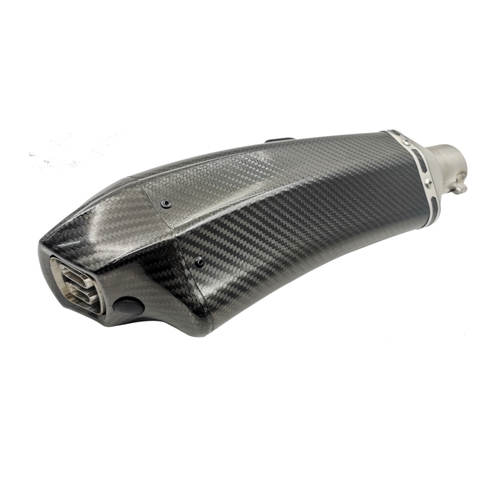
An exhaust doesn’t just “get hot.” It experiences repeated thermal expansion and contraction across welds, joints, brackets, and internal baffles. Under aggressive riding, temperatures rise quickly and stay elevated longer, then drop sharply when airflow changes or weather shifts. Those cycles create stress that can lead to small cracks in weak areas, especially around weld lines, hanger points, and transitions between pipe diameters.
Extreme conditions also bring high-frequency vibration. Even a good-looking muffler can fail early if mounting points aren’t stable, clamps loosen, or the system resonates at a certain RPM. Add water crossings, rain, washing, and humidity, and you introduce corrosion risk and condensation inside the muffler. In dusty or sandy terrain, abrasion and contamination can work into joints, accelerating wear and causing leaks.
If you want confidence before a trip or a build delivery, evaluate your exhaust in four practical dimensions. Each one affects durability in a different way, and the strongest systems are the ones that perform consistently across all four.
Heat resistance is the first requirement. The system should tolerate repeated high-temperature cycles without discoloring unevenly, warping brackets, or loosening connections. Heat stability isn’t only about the pipe material. It’s also about joint design, hanger stiffness, and how evenly the system distributes stress.
Structural stability is the second requirement. Under continuous vibration, any weak mount becomes a failure point. A stable exhaust should stay aligned, maintain clearance from swingarms and plastics, and avoid contact under suspension travel.
Sealing integrity is the third requirement. Leaks often start small, then grow into noise, backfiring, lost response, and oxygen-sensor errors on certain setups. In extreme riding, sealing surfaces must remain tight even after repeated expansion and contraction.
Surface durability is the fourth requirement. Off-road debris, stones, salt spray, and cleaning chemicals can damage finishes and expose metal to corrosion. If a finish fails early, the exhaust may still “work,” but long-term reliability drops significantly.
CRAZY OLD MAN designs and manufactures motorcycle modification parts with these stress factors in mind, aiming for stable fitment and dependable performance across changing environments.
Extreme conditions are not one category. Different environments attack different weaknesses, and a reliable exhaust has to handle all of them without becoming high-maintenance.
In sustained high-speed riding or performance-focused builds, the exhaust sees long high-temperature exposure. The biggest risks are thermal fatigue at welds, distortion that changes alignment, and loosening at slip joints. A system built for this environment should maintain tight joints and consistent sound characteristics even after repeated heat cycles.
Climbing hard and then descending into cooler air stresses the system through rapid contraction. If joints and mounts are marginal, you may notice new rattles or faint leaks after only a few rides. A stable system should keep its geometry, especially around critical connection points.
Water on the outside is only part of the issue. Condensation inside the muffler can create long-term corrosion if the system is not designed to handle moisture cycles. A practical test is whether your exhaust shows new corrosion marks around joints or seams after frequent wet riding and washing.
Dust and sand can work into clamps, springs, and slip joints, slowly reducing sealing effectiveness and increasing wear. Systems that rely on perfect surface contact without protection or robust clamping tend to require more frequent maintenance.
Salt is aggressive and fast. Even small scratches can become corrosion points. If you ride near the ocean or in winter conditions, you need an exhaust with durable surface treatment and reliable joint protection so the system doesn’t become a rust problem.
When exhaust systems fail in extreme riding, the cause is usually predictable. These are the areas that deserve the most attention during sourcing and installation.
Mounting brackets and hangers take continuous vibration loads. If a bracket is too thin, poorly positioned, or mismatched to the bike’s movement, the system can shift and create contact with nearby components. Even minor contact can trigger cracks over time.
Weld zones are often where fatigue begins. Under repeated cycles, a small imperfection can expand into a visible crack. If a system is designed with proper geometry and supported well, weld stress is reduced significantly.
Slip joints, clamps, and sealing surfaces can lose integrity as dust, heat, and micro-movement build up. The result is a leak that starts as a faint sound change, then becomes louder and more damaging as exhaust gases escape where they shouldn’t.
Internal structure and sound control are also under stress. Extreme riding can accelerate changes in tone if internal components deform or loosen. A system that holds its sound signature after long use is typically a sign of better internal stability.
Even a strong exhaust can perform poorly if installation is rushed. Extreme riding magnifies small mistakes. A durable result usually comes from controlled alignment and correct tightening practices.
Start by confirming clearance along the full suspension travel, not just at rest. A common problem is a system that looks perfect when parked but contacts under compression. That contact creates heat spots, rattles, and fatigue.
Tightening should be progressive and balanced. If one side is fully tightened while other parts are loose, you can lock in stress and misalignment. Under heat, that stress becomes movement, then loosening, then cracking.
Hardware choice matters. Incorrect bolt grades, missing washers, or poorly fitting clamps can reduce stability. If a system is built to fit well, installation becomes repeatable and easier for professional shops.
If you’re sourcing parts for repeated projects, CRAZY OLD MAN supports builders with stable production, consistent specifications, and OEM/ODM capability for customized requirements, helping reduce fitment surprises across batches.
Extreme conditions do not mean constant repair, but they do require smarter habits. A simple routine can extend life dramatically.
After wet rides, avoid leaving the bike stored with moisture trapped. Let the exhaust fully heat-cycle during normal riding to help reduce condensation buildup. For coastal or salted-road environments, rinse gently and dry to prevent salt deposits from staying on the surface.
Check joints and brackets periodically. If you catch a loose clamp early, you prevent leaks, noise changes, and long-term fatigue. If your riding includes regular off-road dust, cleaning around joints helps prevent abrasive contamination that slowly breaks down sealing.
These are small steps, but they are the difference between an exhaust that lasts one season and one that remains stable across repeated extreme use.
CRAZY OLD MAN is focused on modified motorcycle parts including exhaust mufflers and related components, with an approach built around consistency, durability, and professional supply support. When riders and buyers evaluate a supplier, they are not only judging the product on day one, but also the stability of manufacturing and the ability to support ongoing projects.
For large orders and long-term programs, we emphasize consistent production control and reliable delivery planning. For customization, we support OEM/ODM so buyers can align appearance, configuration, and matching components with target models and markets. For technical questions, our team can provide fitment and selection guidance so your build choices match your riding conditions rather than relying on trial and error.
Explore our product range here: CRAZY OLD MAN products.
An exhaust that survives extreme riding is not defined by one feature. It’s the result of heat stability, structural strength, sealing reliability, and surface durability working together through real stress. If your exhaust stays aligned, stays sealed, holds its tone, and doesn’t become a corrosion problem, it is doing its job.
If you’re sourcing exhaust systems for demanding riders, performance builds, or commercial programs, CRAZY OLD MAN provides a focused product range and manufacturing support built for stability under real-world conditions. For product selection or project consultation, you can reach out through our site after reviewing our catalog.


 Mobile Phone:
 Phone:
 Contact Now