A dented Motorcycle Tank is more than a cosmetic issue. It can damage paint, stress mounting points, create rubbing against the frame, and reduce resale value. The good news is that most dents are preventable when you understand why they happen and build a few habits into daily riding, parking, transport, and maintenance.
This guide focuses on practical, real-world ways to prevent dents, especially for riders and builders using custom or replacement tanks. If you are sourcing tanks for projects, you can view our CRAZY OLD MAN tank range here: motorcycle tank.
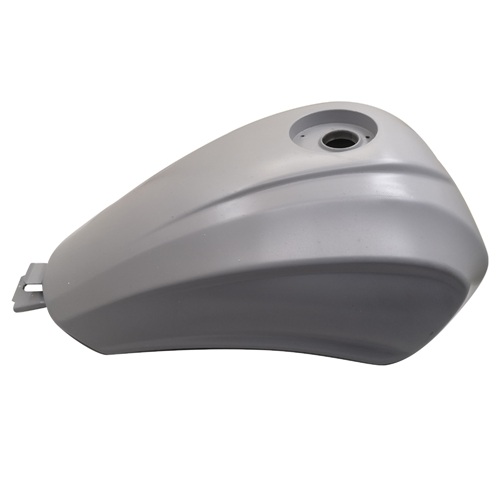
Most tank dents come from predictable scenarios, not bad luck. When you know the main causes, prevention becomes simple and consistent.
Tip-overs at low speed or when parked on uneven ground
Handlebar controls hitting the tank at full lock during a fall
Straps or hooks from transport rubbing and compressing the tank
Tools, buckles, and luggage hardware impacting the tank surface
Poor mounting alignment creating stress points that deform over time
Leaning the bike against hard objects like walls, posts, or other bikes
A key point is that dents often happen with small impacts repeated over time. Even if the first knock does not leave a visible mark, it can weaken paint and create a soft spot that later dents more easily.
Fitment is the foundation of dent prevention. A tank that sits correctly spreads load through proper mounting points, avoids rubbing, and reduces impact exposure from controls.
When selecting a tank, confirm these details before installation:
Frame and backbone compatibility, including mounting hole positions
Tunnel clearance and whether the tank sits flat without rocking
Steering lock clearance so controls do not contact the tank
Seat and side cover alignment to avoid pressure points
Fuel cap position and clearance for bags or tank accessories
If a tank is forced into position with heavy tightening, it can create hidden stress that leads to deformation later, especially after heat cycles and vibration.
CRAZY OLD MAN tanks are built for modified motorcycle projects, so consistent dimensional control and stable mounting structures are essential for installers. When you choose a tank with correct geometry and stable weld integrity, you reduce the risk of stress dents caused by poor alignment.
Even a high-quality tank can dent if installation is rushed. The goal is to eliminate hard contact, vibration rubbing, and localized stress.
Recommended installation steps:
Dry-fit the tank first without tightening anything fully. Confirm it sits naturally on mounts.
Check steering at full lock left and right. Verify levers, switch housings, and bar ends do not touch the tank.
Inspect contact points under the tank. Add protective pads or isolators where appropriate to reduce vibration wear.
Tighten mounting bolts gradually and evenly. Avoid forcing one side down first.
Verify the tank does not touch the engine head, frame brackets, or sharp edges.
After the first ride, re-check mounting torque and contact marks to ensure nothing shifted.
If your build uses custom bars, risers, or controls, handlebar-to-tank clearance is one of the highest value checks you can do. Many dents occur because controls hit the tank during a minor fall or even during a tight parking turn.
Most tank dents happen when the bike is not moving. Parking habits matter more than riding style.
Avoid parking on sloped or soft ground where the side stand can sink.
Keep space around the bike so other vehicles or people do not bump the tank.
Do not park too close to pillars, walls, or sharp edges that the tank can hit during a lean.
Use a stable stand or a wheel chock in garages where the bike is frequently moved.
If you share a parking area, position the bike so the tank is not exposed to walkways or door swings.
In tight garages, dents often come from the same repeated motion: turning the bike and brushing the tank against a shelf corner or tool cart. Simple changes like moving storage items or adding padding to nearby edges can prevent long-term damage.
Riders often assume soft bags are safe, but the hardware and the way the load moves can cause dents or paint damage.
Key precautions:
Use tank bags designed with stable bases and non-slip contact surfaces.
Avoid metal buckles or clips resting directly on the tank surface.
Do not over-tighten straps. Excessive compression can create a dent, especially over thin areas or near edges.
Keep load weight moderate. Heavy items in a tank bag shift during braking and add repeated impact stress.
Clean dust and grit under tank bags regularly. Grit can grind the paint and expose the metal to corrosion risks.
For touring or delivery use, the safest approach is to move heavy items to a tail bag or panniers and keep tank bags light, focused on small items.
Transport is a high-risk stage for dent damage, especially when bikes are strapped down tightly or placed too close to other equipment.
Transport best practices:
Use wide, soft tie-down straps to distribute pressure.
Route straps so they do not press against the tank edge or corners.
Avoid hooks or ratchets touching the tank surface.
Use handlebar or triple-tree straps to control load paths away from the tank.
Add foam or cloth buffers at any point where rubbing could occur.
Maintain clearance between bikes so one tank cannot impact another during vibration.
For buyers sourcing tanks internationally, packaging quality also matters. A properly protected tank needs stable outer cartons, inner padding, and pressure isolation so edge impacts do not transfer directly to the tank wall.
CRAZY OLD MAN supplies tanks for export projects, so consistent protective packing and shipping readiness are part of what procurement teams care about when selecting a tank supplier.
Not every bike needs heavy protection, but a few targeted accessories can prevent the most common dent scenarios.
Knee pads or side grip pads can reduce scratches and small knocks from riding gear.
Frame sliders and crash bars reduce the chance of a tank taking the first hit in a fall.
Bar end protection can reduce the chance of levers striking the tank at full lock.
In workshop environments, use a cover or fender blanket when tools are around the bike.
The best protection strategy is preventing direct contact at key impact points, especially the handlebar controls and the sides of the tank where knees and equipment hit most often.
Dents are sometimes the end result of a longer problem like loosened mounts, shifting alignment, or vibration rubbing that creates weak points.
A simple inspection routine:
Check mounting bolt torque and look for signs of shifting.
Inspect paint at edges and seams for early cracking or rubbing marks.
Confirm clearance at full steering lock after any handlebar adjustment.
Look for worn pads or isolators and replace them before metal-to-metal contact occurs.
If you notice repeated contact marks, address the root cause rather than covering it.
For custom builds, vibration is often higher than stock. A stable tank structure and correct mounting isolation become even more important in long-term dent prevention.
Avoiding dents in your motorcycle tank is not about being overly cautious. It is about choosing a properly fitting tank, installing it with correct alignment, and reducing common impact scenarios during parking, transport, and daily use. The highest impact actions are checking handlebar clearance, preventing strap compression during transport, and avoiding tight spaces where the tank can be bumped repeatedly.
If you are upgrading or building a modified motorcycle and need a stable, build-ready tank solution, explore CRAZY OLD MAN options here: motorcycle tank. A tank that is built for consistent fitment and reliable structure makes it easier to prevent dents from day one.


 Mobile Phone:
 Phone:
 Contact Now