Material selection is one of the most direct factors influencing real motorcycle performance. Exhaust systems operate under extreme heat cycles and vibration, while fuel tanks must withstand fuel contact, weather exposure, and structural stress over long-term use. The materials chosen for these two components directly affect durability, weight balance, corrosion resistance, thermal stability, and overall riding reliability. When materials are matched correctly to usage scenarios, performance remains consistent and maintenance demands are reduced.
CRAZY OLD MAN focuses on engineered Motorcycle Exhaust systems and motorcycle fuel tanks designed to balance performance, durability, and real-world riding conditions.
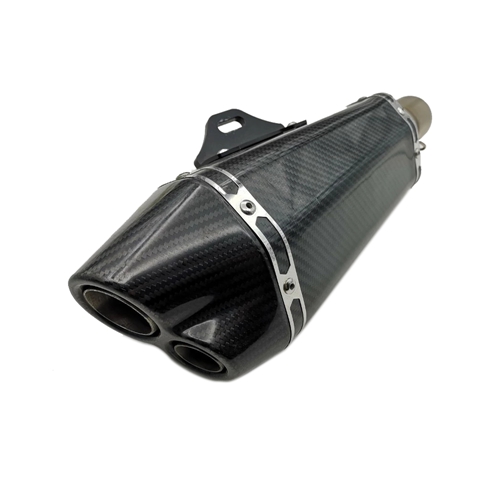
Motorcycle components are exposed to far more aggressive conditions than static parts. Exhaust systems face continuous thermal expansion and contraction, while tanks endure constant vibration, internal fuel pressure changes, and external environmental exposure. Material choice determines how well these components handle stress without degrading over time.
Material-driven performance factors include:
Heat dissipation and thermal fatigue resistance
Corrosion behavior in humid, rainy, or coastal environments
Weight impact on handling and balance
Structural stability under vibration and load
Surface durability and finish longevity
Stainless steel is widely used in motorcycle exhaust manufacturing because it offers a balanced combination of strength, corrosion resistance, and cost control. In real riding conditions, stainless steel handles repeated heating and cooling cycles with stable structural behavior.
Performance impact of stainless steel exhausts:
Strong resistance to rust caused by moisture and road spray
Reliable structural integrity under vibration and long-distance riding
Consistent sound characteristics over time due to stable tube geometry
Stainless steel exhausts may show surface heat coloration in high-temperature zones, but this does not compromise functional performance when material thickness and welding quality are well controlled.
CRAZY OLD MAN designs its motorcycle exhaust systems with material stability and fitment accuracy in mind, supporting long-term use across varied riding environments.
Carbon steel offers high base strength and can be cost-efficient, but corrosion protection relies heavily on surface coatings. In wet or salty environments, damaged coatings can lead to accelerated rust.
Carbon steel characteristics:
Solid stiffness and vibration resistance
Lower material cost in certain configurations
However, maintenance requirements are higher, especially when protective coatings wear or crack under heat.
Titanium is chosen primarily for its excellent strength-to-weight ratio. Reducing exhaust weight can noticeably improve handling and responsiveness, especially on performance-oriented builds.
Titanium material benefits:
Significant weight reduction compared to steel-based systems
Strong resistance to heat deformation
Long service life when fabricated with precision
Titanium requires higher manufacturing accuracy, as thin-wall designs place greater importance on welding quality and mounting alignment.
Steel remains a common fuel tank material due to its robust structure and resistance to impact. It provides a solid feel and is widely used in both standard and heavy motorcycles.
Steel tank performance traits:
High structural strength and impact resistance
Stable mounting performance under vibration
Proven long-term durability in standard riding conditions
Corrosion risk increases if internal coatings degrade or if paint damage exposes bare metal, making surface protection and storage conditions important.
CRAZY OLD MAN produces motorcycle fuel tanks designed to maintain structural reliability while supporting consistent exterior finishing.
Aluminum tanks reduce overall weight and improve handling balance. While aluminum does not rust like steel, it still requires proper finishing to prevent surface oxidation and cosmetic wear.
Aluminum tank advantages:
Lower weight improves maneuverability and riding response
Good resistance to environmental corrosion when properly treated
Suitable for performance and custom builds
Thickness control and reinforcement design are critical to maintaining dent resistance and long-term stability.
Exhaust and tank materials interact indirectly through weight distribution and thermal influence. A lighter exhaust reduces rear-end mass, while tank material and capacity influence center-of-gravity behavior. Together, these choices affect vibration transfer, mounting stress, and overall ride feel.
Material pairing considerations:
Reduced exhaust weight improves balance when paired with lighter tank designs
Corrosion-resistant exhaust materials reduce long-term vibration noise and mounting wear
Structurally stable tanks support consistent mounting alignment for adjacent components
| Exhaust Material | Weight Effect | Corrosion Resistance | Heat Stability | Maintenance Demand | Typical Use |
|---|---|---|---|---|---|
| Stainless steel | Medium | High | Stable under thermal cycling | Moderate | Daily riding, touring |
| Carbon steel | Medium to high | Low to medium | Structurally strong | Higher | Budget or coated systems |
| Titanium | Low | High | Excellent | Low | Performance-focused builds |
| Tank Material | Weight Effect | Corrosion Risk | Structural Strength | Finish Stability | Typical Use |
|---|---|---|---|---|---|
| Steel | Medium to high | Medium | High | Strong with quality paint | General-purpose riding |
| Aluminum | Low | Low | Medium | Strong with proper coating | Performance and custom builds |
Riding climate and moisture exposure
Corrosion-resistant materials reduce long-term surface degradation and mounting issues.
Thermal load from engine size and riding style
High exhaust temperatures demand materials with stable heat cycling behavior.
Mounting stress and vibration frequency
Material durability must align with bracket design and frame dynamics.
CRAZY OLD MAN motorcycle exhaust systems are engineered to meet these demands across diverse riding conditions.
Internal fuel compatibility and coating quality
Material and internal protection directly affect long-term reliability.
External abrasion and environmental exposure
Tanks must maintain finish integrity despite constant rider contact.
Structural reinforcement around mounting points
Proper material thickness ensures vibration resistance and fatigue control.
CRAZY OLD MAN motorcycle fuel tanks are designed to support stable fitment and consistent performance throughout extended use cycles.
Material choice plays a decisive role in exhaust and tank performance by controlling heat resistance, corrosion behavior, weight distribution, and structural durability. Stainless steel and titanium support stable exhaust performance under extreme conditions, while steel and aluminum tanks influence balance, corrosion resistance, and long-term safety. When exhaust and tank materials are selected as a system rather than isolated parts, motorcycles benefit from improved reliability, reduced maintenance pressure, and more consistent riding performance.
For integrated sourcing of both components, CRAZY OLD MAN delivers purpose-built motorcycle exhaust systems and motorcycle fuel tanks engineered for real-world riding demands.


 Mobile Phone:
 Phone:
 Contact Now