Yes, changing a Motorcycle Exhaust can affect performance, but the direction and size of the change depends on the exhaust design, engine type, fueling setup, and how the new system is installed. Riders usually notice changes in throttle response, torque delivery, heat management, and overall ride feel before they see big peak horsepower gains. In many real-world cases, the most valuable improvement is not the highest dyno number, but a smoother power curve and better consistency across different speeds and gears.
If you are sourcing exhaust parts for aftermarket upgrades, replacement programs, or custom builds, CRAZY OLD MAN provides motorcycle exhaust options designed for practical fitment and long-term durability.
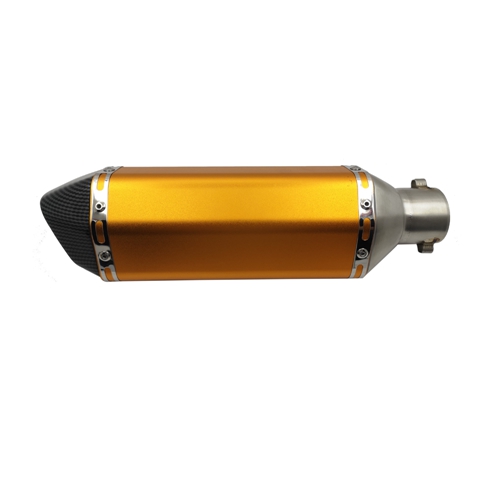
A motorcycle engine is an air pump. It makes power by moving air and fuel in, burning it, then pushing exhaust gases out. The exhaust system affects how efficiently those gases exit. When the exhaust flow is improved in a controlled way, the engine can breathe better, especially in the mid-range. When the exhaust change is too extreme or mismatched, performance can drop in common riding RPM ranges.
Exhaust performance impact is mainly driven by:
Backpressure and flow resistance
Exhaust gas velocity and scavenging behavior
Pipe diameter, length, and collector design
muffler core structure and internal restriction
Leak control at joints and seals
Many riders upgrade exhaust systems hoping for more power. In street riding, the most noticeable improvement is often quicker response when opening the throttle and stronger mid-range pull. This happens when the new exhaust supports better scavenging and maintains gas velocity rather than simply removing restriction.
Exhaust routing, wall thickness, and muffler design affect how heat is distributed. A well-built system can help reduce unwanted heat concentration near the seat, rear shock area, or side panels. Heat stability also matters for long rides where temperature cycling is constant.
Exhausts sit high and toward the rear on many motorcycles. Reducing weight in that area can improve balance and make the bike feel more responsive in transitions. Even if peak horsepower changes are modest, the handling benefit can be meaningful.
Sound does not equal horsepower, but it can influence rider perception. The key is balancing tone with practical riding needs, especially if you ride long distances or in areas with noise restrictions.
The stock exhaust is highly restrictive for emissions and noise control
Many modern bikes have restrictive OEM systems. A well-designed aftermarket exhaust can improve flow without destroying mid-range performance.
The new exhaust is engineered with proper pipe sizing
Correct diameter and length help maintain gas velocity, supporting torque where riders actually use it.
Fueling and airflow changes are matched correctly
If the exhaust significantly changes flow, the bike may need fueling adjustment. Without it, the air-fuel ratio can drift and reduce performance.
Pipe diameter is too large
Oversized pipes can reduce exhaust velocity, weakening low and mid-range torque.
Poor collector design or abrupt transitions
Flow turbulence can reduce scavenging efficiency and create flat spots in the power curve.
Leaks at joints
Exhaust leaks can disturb oxygen sensor readings on many bikes, leading to unstable fueling behavior and inconsistent performance.
Exhaust swaps often change the engine’s breathing enough that fueling becomes important. Some motorcycles can adapt within a limited range, but major flow changes may push the system outside optimal targets.
Common signs the bike may need adjustment:
Hesitation at low RPM
Surging at steady throttle
Backfiring on deceleration
Excess heat or strong exhaust smell
A loss of torque in the mid-range compared to stock
If you are upgrading for performance, plan the exhaust choice and fueling strategy as one system. That approach reduces the risk of gaining sound but losing ride quality.
A slip-on usually changes sound and weight more than it changes airflow through the entire system. Performance gains can exist, but they are often smaller and depend on how restrictive the original muffler was.
A full system can change header design, collector design, and total flow characteristics. This has a higher chance of meaningful power-curve change, but it also increases the importance of correct sizing and fueling alignment.
CRAZY OLD MAN offers motorcycle exhaust solutions for different upgrade goals, supporting both everyday riders and builders who need stable fitment and consistent build quality.
| Change Type | What Usually Improves | What Can Get Worse If Mismatched | Best Use Case |
|---|---|---|---|
| Slip-on muffler | Sound, weight, appearance | Minor torque loss if too open | Style and sound upgrade with lower complexity |
| Full system with correct sizing | Mid-range torque, throttle response, overall curve | Fueling issues if not matched | Performance-focused builds |
| Oversized open system | Loudness, reduced restriction | Low-end torque, rideability, heat control | Rarely ideal for street riding |
| Poor fitment or leaks | None | Surging, loss of torque, inconsistent fueling | Avoid through proper manufacturing and installation |
A practical buyer approach is to prioritize power delivery and reliability over extreme loudness. Good performance exhausts tend to share similar characteristics.
Selection priorities:
Fitment accuracy and stable mounting
A strong exhaust design reduces vibration stress and lowers the risk of cracks, rattles, and leaks.
Balanced flow design
Performance is not only about removing restriction. It is about supporting scavenging and maintaining useful torque.
Material quality and welding consistency
Exhausts live under heat cycling and vibration. Build quality influences longevity more than many buyers expect.
Compatibility with real riding conditions
Heat control, corrosion resistance, and long-distance stability matter for daily riders and touring use.
CRAZY OLD MAN focuses on exhaust products that support practical riding performance with consistent manufacturing output and dependable installation results.
Even a well-designed exhaust can underperform if installed poorly. The most common issues come from misalignment, gasket reuse, and uneven tightening that creates small leaks.
Installation checks that protect performance:
Confirm all joints seat evenly before tightening
Use correct gaskets and clamps
Verify clearance at swingarm, shock, and body panels
Recheck fasteners after initial heat cycles
Inspect for leaks by feel and sound around joints after warm-up
Changing a motorcycle exhaust can affect performance by altering airflow, scavenging behavior, heat distribution, and weight. The best results usually show up as improved throttle response and a stronger mid-range, not only peak horsepower. Performance can also decrease if the exhaust is oversized, poorly designed, or installed with leaks, especially when fueling is not matched to the new flow behavior. If you want an upgrade that balances rideability, durability, and real-world gains, CRAZY OLD MAN offers motorcycle exhaust options designed for stable fitment and consistent long-term use.


 Mobile Phone:
 Phone:
 Contact Now