Upgrading a Motorcycle Exhaust is one of the most common modifications because it can change how the bike feels, sounds, and performs without altering the engine internally. Riders do it for faster throttle response, smoother midrange torque, lighter weight, a sharper look, or a more controlled exhaust note. Shops and importers upgrade exhausts for a different reason: they want consistent fitment, reliable durability, and a product line that can serve multiple bike models and market preferences.
An exhaust upgrade is not only about making the bike louder. A well-designed system is an engineered component that influences exhaust flow, heat behavior, and overall riding experience. The best outcomes come from matching the exhaust type to the bike platform and the rider’s goal, then choosing a build that holds up under real-world vibration, heat cycling, and weather exposure.
If you need to learn more about configurations and product options, please browse our motorcycle exhaust.
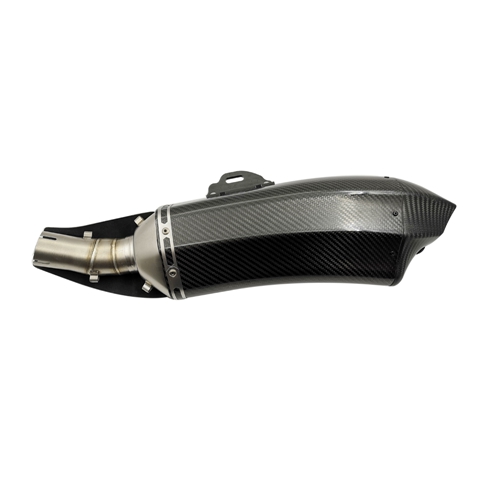
Many riders start with performance expectations, but the most valuable change is often how the bike delivers power across the RPM range you actually use. A freer-flowing exhaust can reduce restriction and improve cylinder scavenging, especially when the header and collector design are optimized for pulse timing. This can translate into stronger pull in the midrange, smoother acceleration out of corners, and a cleaner transition when rolling on the throttle.
It is also important to separate peak horsepower from rideability. A small change in peak power can still feel significant if the torque curve becomes more consistent. For street riding, a stronger and smoother midrange usually matters more than a slightly higher top-end number, because most time is spent in the middle RPM band, not at the limiter.
To get predictable gains, consider the exhaust upgrade level. A slip-on typically influences sound and weight more than peak output, while a full system with a matched header design has greater potential to reshape the torque curve. On modern fuel-injected bikes, tuning support often determines whether the improvement is clean and repeatable, because fueling and ignition strategy must align with the new airflow behavior.
Exhaust systems sit relatively high and toward the rear on many motorcycles, so weight changes can be noticeable even if the number looks small on paper. Reducing mass in the muffler and link pipe area can make the bike feel easier to tip into turns and quicker to change direction. For some riders, this handling benefit is more satisfying than chasing a specific horsepower gain.
Weight reduction also contributes to acceleration feel. When you remove a heavy stock canister, the bike can feel more responsive because the engine is pushing less mass overall and the chassis reacts more quickly to throttle input. This is especially relevant for smaller displacement bikes, where modest power gains are limited but weight improvements can still be meaningful.
Material choice influences both weight and durability. Many upgraded systems use stainless steel for strength and corrosion resistance, while higher-end builds may use titanium for additional weight reduction. The correct choice depends on how the bike is used, the climate it lives in, and how much priority is placed on long-term appearance.
Sound is a major reason riders upgrade, but quality matters more than volume. A well-designed exhaust produces a tone that matches the engine character and remains comfortable over long rides. Poorly designed systems often deliver harsh noise, metallic resonance, or droning at cruising RPM, which can make daily riding less enjoyable.
An upgraded exhaust can improve sound in several practical ways:
Cleaner tone with fewer unwanted high-frequency notes
Better balance between idle presence and highway comfort
More controlled sound output when paired with proper internal design
If the goal is a refined sound rather than maximum loudness, pay attention to muffler internal structure, packing stability, and fitment sealing. Exhaust leaks at joints can create sharp noise and popping, and poor packing materials can degrade over time, changing tone and increasing noise unpredictably.
Compliance is also part of sound planning. Many markets have strict noise and emissions requirements. Upgrading responsibly means choosing a configuration that fits the local environment and customer expectations, rather than assuming louder equals better.
Exhaust upgrades also influence heat behavior around the bike. While exhaust gases are always hot, design choices can affect where heat is concentrated and how it moves around bodywork and rider contact areas. In stop-and-go traffic or warmer climates, heat management becomes a comfort and reliability issue, not just a performance detail.
Key heat-related factors include routing geometry, material thickness, and joint integrity. Consistent welding and tight sealing reduce hot gas leakage that can burn nearby components or discolor surfaces. Stable mounting also matters, because vibration can cause micro-movement at joints, leading to leaks over time.
In many builds, the right exhaust layout can also improve service access and reduce interference with rearsets, panniers, or other accessories. This is especially important for touring and commuting setups where practicality matters daily.
Stock exhausts are built for mass production, emissions compliance, and long service life, but they may prioritize cost and universal packaging over premium finishing. An upgraded exhaust is often chosen to improve long-term appearance and durability, especially when the bike is used in wet climates, coastal regions, or year-round commuting.
Durability is not just material selection. It is the combination of:
Welding consistency and joint strength under heat cycling
Mounting geometry that prevents stress concentration
Surface finishing that resists corrosion and staining
Fitment accuracy that avoids forced alignment during installation
A system that looks good on day one but cracks at a weld after repeated vibration is not a real upgrade. For that reason, production discipline matters. A manufacturer-focused exhaust supplier should emphasize stable fitment, repeatable welding quality, and inspection routines that reduce defect variability across batches.
A modern motorcycle exhaust is also a design element. Many riders upgrade because the stock canister looks oversized, too quiet visually, or does not match the bike’s style direction. A cleaner silhouette, a shorter can, or a more purposeful tip shape can change the overall look of the motorcycle immediately.
Beyond aesthetics, customization matters for product programs and distributors. Different markets prefer different finishes and tones, and different bike models require different mounting solutions. A scalable exhaust offering often includes multiple options for:
Canister shape and length
Finish direction such as brushed, polished, or coated looks
Tip style and visual detailing
Branding or neutral appearance depending on customer preference
The most important point is that appearance should not compromise function. A visually aggressive shape that creates poor clearance or weak mounting will cause long-term problems, so the best systems balance styling with engineering.
Choosing the right upgrade path prevents disappointment. Riders sometimes buy a slip-on expecting large horsepower gains, then feel underwhelmed because the bike is not dramatically faster. Others install a full system without planning for tuning, then experience lean running, popping, or torque dips.
A simple comparison helps clarify expectations:
| Upgrade choice | What changes most | Typical benefit focus | Common mistakes |
|---|---|---|---|
| Slip-on | Sound, weight, appearance | Refined tone and lighter feel | Expecting big peak horsepower gains |
| Full system | Flow behavior and scavenging | Broader performance potential | Skipping tuning support on mapped bikes |
| Full system plus tuning | Engine behavior as a whole | Stronger torque curve and smooth throttle | Using generic mapping without validation |
For everyday riders, a slip-on can be the right upgrade if the goal is sound and style. For riders chasing performance feel, especially in midrange, a full system combined with correct fueling strategy is usually the more predictable path.
An exhaust upgrade works best when it is treated as a selection process rather than an impulse purchase. A practical path is to start with your real riding needs, then choose the system that supports them.
Key selection steps:
Define the goal
Decide whether performance feel, weight reduction, sound refinement, or appearance is the priority. Different designs excel in different areas.
Confirm fitment and mounting strategy
A good exhaust should align naturally with mounting points without forcing the system into position. Forced fitment often leads to vibration stress and future cracking.
Consider tuning requirements
If the bike is modern and tightly controlled by ECU mapping, plan for tuning support when you change flow significantly.
Evaluate build quality details
Look for stable joints, clean welds, consistent finishing, and a mounting structure designed for long-term vibration and heat cycling.
Plan for the environment
If the bike is used in rain, coastal air, or year-round commuting, corrosion resistance and surface durability should be prioritized.
For importers and project buyers, consistent production quality matters as much as individual performance. CRAZY OLD MAN focuses on motorcycle exhaust manufacturing with an emphasis on stable fitment, repeatable build quality, and scalable product options for different model programs and market requirements.
If you need to learn more about product specifications, configurations, and selection options, please browse our motorcycle exhaust.
Upgrading a motorcycle exhaust is popular because it can improve multiple aspects of the riding experience at once. The best upgrades deliver a cleaner torque curve, lighter handling feel, refined sound, and more purposeful styling, while maintaining durability under vibration, heat, and weather exposure. The most reliable results come from matching the exhaust type to your goal, choosing a build with stable fitment and strong construction, and planning tuning support when airflow changes significantly.
If you need to learn more about exhaust options for different applications, please browse our motorcycle exhaust.


 Mobile Phone:
 Phone:
 Contact Now