Cleaning the inside of a Motorcycle Exhaust pipe is not something most riders need to do often, because normal exhaust heat and gas flow are already a self-cleaning mechanism. What usually builds up inside is a mix of soot, carbon, light oil residue, moisture-related discoloration, and in some cases debris from storage such as dust, insects, or nesting material. Internal cleaning becomes worthwhile when a bike has been stored for a long time, when there is visible contamination or water intrusion, when a muffler has become unusually heavy with residue, or when performance and sound change in a way that points to restriction rather than normal wear.
This guide explains what can realistically be cleaned inside an exhaust, what should not be cleaned aggressively, and how to do it safely without damaging coatings, welds, catalysts, oxygen sensors, or packing materials. If you need to learn more about exhaust configurations and product options, please browse our motorcycle exhaust page.
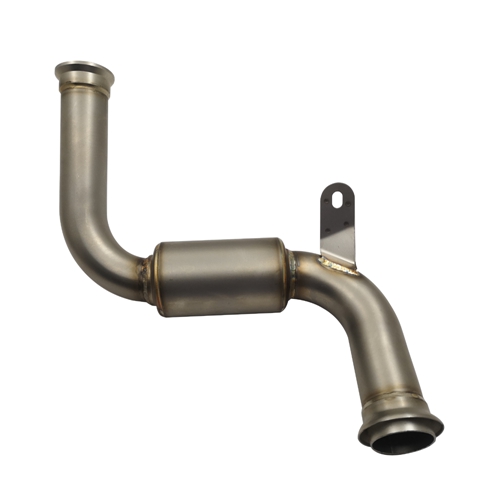
Before choosing any method, it helps to confirm whether internal cleaning is necessary or whether you are chasing a problem that has a different cause.
A normal exhaust interior will look dark and sooty. That alone is not a defect. Carbon coloration is expected and usually does not reduce performance unless it becomes thick enough to narrow passages, which is uncommon on healthy four-stroke bikes.
Internal cleaning is most justified in these situations:
1、Long storage with possible moisture or debris
If a motorcycle sat for months in a humid area, water can condense and create surface rust in mild steel sections, or leave residue that smells burnt on first startup. Rodents and insects can also block outlets.
2、Two-stroke oil buildup
Two-stroke exhausts can accumulate oily carbon and gum-like deposits that can meaningfully restrict flow. This is where inside cleaning can deliver noticeable improvement.
3、Exhaust oil contamination or coolant entry
A failing engine can push oil or coolant into the exhaust, creating sticky deposits that trap soot and build thickness.
4、Loose packing fragments or internal baffle debris
If a muffler’s packing is breaking down, fibers and residue can collect and change sound and flow. This requires a different approach than simply washing.
If the main concern is external staining, bluing, or surface rust, internal cleaning is often unnecessary. In many cases, cleaning the visible tip area and ensuring the bike is ridden long enough to fully heat-cycle the system solves the odor and moisture issues.
Different deposits call for different methods. Treating everything the same can waste time or cause damage.
Dry soot and light carbon
Common on four-strokes. Usually loose and easy to remove with air or brushing. Rarely restrictive.
Oily carbon and gum
More common on two-strokes, rich fueling, short rides, or engines with oil carryover. Can be sticky and thick. More likely to restrict.
Moisture residue and light corrosion
Happens after storage or many short trips that never fully dry the system. Can cause rust in non-stainless sections.
Debris and nesting material
Uncommon but important. Can block flow and create overheating or poor performance.
Catalyst-related contamination
If the system includes a catalyst, the catalyst substrate itself should not be scrubbed aggressively or soaked in harsh chemicals. Damage there can increase restriction and create expensive replacement issues.
Exhaust cleaning sounds simple, but the wrong chemical or tool can create permanent problems. A few rules prevent most mistakes.
Let the exhaust cool fully before touching it. Exhaust components hold heat longer than many riders expect, especially near collectors and catalytic sections.
Avoid aggressive caustic chemicals inside the system. Some strong cleaners can attack metal surfaces, coatings, or weld heat-affected zones and can also harm catalyst substrates. If you do not know how a chemical interacts with stainless steel, mild steel, titanium, or ceramic coatings, do not use it internally.
Do not force hard tools through bends. Scratching inside a pipe is not usually a performance issue, but forcing tools can damage baffles, loosen weld seams in low-quality systems, or tear packing and create rattles.
Do not soak an assembled muffler if it uses fibrous packing that is not meant to be waterlogged. Water saturation can change sound and accelerate packing breakdown. Cleaning a packed muffler is usually done by targeted dry methods or by repacking, not by flooding.
If your exhaust has oxygen sensors, remove them only if you are experienced and have the correct tools. Sensor threads can seize, and damage can create more cost than the cleaning is worth.
Internal cleaning should be guided by what you actually see. A quick inspection prevents over-cleaning and helps you choose the right method.
Start by removing the end cap or muffler if the design allows easy access. On many bikes, you can remove the muffler from the mid-pipe and inspect both sides.
Shine a light into the inlet and outlet. You are looking for three things: blockage, thick oily buildup, and loose internal material.
If you see only dry soot and no restriction, the best internal cleaning is often minimal: a dry flush and a heat cycle ride. If you see sticky deposits, plan for a deeper method focused on the removable components rather than flooding the entire system.
For four-stroke systems with normal soot, dry cleaning is usually the safest and most practical method.
1、Air flush
Use low to moderate compressed air from the outlet side to push loose dust out the inlet, or the opposite direction depending on how the system is laid out. Keep pressure controlled to avoid blowing debris into your face. The goal is to remove loose particles, not to sandblast the interior.
2、Flexible nylon brush
A flexible brush that matches the pipe diameter can loosen dry soot near the ends and in straight sections. Work slowly and avoid forcing through tight bends. If resistance is high, stop and reassess.
3、Vacuum capture at the opposite end
If you can position a shop vacuum near the opposite opening, help the debris exit cleanly instead of spreading dust into the workspace.
Dry cleaning is most suitable for stainless systems and for bikes that run normally but sat for a while and collected dust. It also reduces the chance of water-related corrosion that can occur if you introduce moisture and do not dry the system completely afterward.
Sticky deposits require a different mindset. The goal is to soften and remove residue without soaking packing or damaging catalyst material.
If the system has removable parts such as a slip-on muffler, removable baffle insert, or detachable mid-pipe, clean those pieces individually and keep the catalytic section protected.
A practical sequence:
1、Remove the baffle insert if present
Many inserts collect carbon and can be cleaned separately. This often restores tone quality and reduces crackling caused by partial blockage.
2、Use a mild degreasing cleaner on removable metal parts
Apply the cleaner to a cloth or brush rather than pouring it into the muffler body. For heavy residue, allow time for the cleaner to work, then wipe and brush. Rinse lightly only if you can fully dry the part afterward.
3、Repeat in cycles rather than using harsh chemistry
Multiple mild cycles are safer than one aggressive chemical attempt. Aggressive chemistry can etch finishes, weaken coatings, or leave residues that burn and smell for many rides.
4、Dry completely before reassembly
Moisture trapped inside a muffler can lead to internal corrosion in non-stainless sections and can degrade certain packing materials. Drying can be supported by warm airflow and then a controlled heat cycle ride.
If deposits are severe, especially on two-stroke systems, the most reliable solution can be professional cleaning or replacement of heavily restricted sections, because thick carbon can behave like a solid layer. In those cases, the cost of repeated cleaning attempts can exceed the cost of installing a properly designed exhaust that performs consistently.
Catalyst-equipped exhausts
Catalysts are sensitive to physical damage and chemical contamination. Avoid scraping the catalyst substrate and avoid pouring cleaners into the catalytic section. If you suspect catalyst blockage due to melted substrate or contamination, cleaning is rarely a permanent fix. The correct approach is diagnosis and replacement of the affected part.
Packed mufflers
If a muffler uses packing, internal sound changes are often due to packing breakdown rather than soot. If the exhaust has become significantly louder over time, has a raspy tone, or emits fibers at the outlet, cleaning may not solve the core issue. Repacking is usually the correct maintenance.
Two-stroke exhausts
Two-stroke pipes can accumulate thick oily carbon in expansion chambers and silencers. Internal cleaning can restore performance, but the method must match the pipe design and material. Because the deposits can be stubborn, many two-stroke owners use specialized processes and sometimes professional services. If you are not experienced, avoid harsh chemical experiments that can damage seams and coatings.
Different exhaust materials respond differently to cleaning, heat, and chemicals. The table below helps avoid accidental damage.
| Exhaust material or finish | Safe internal approach | What to avoid |
|---|---|---|
| Stainless steel | Dry brush and air flush, mild degreaser on removable parts | Strong caustic cleaners left sitting, aggressive abrasion through bends |
| Mild steel | Dry methods preferred, keep moisture minimal, dry thoroughly | Water soaking without full drying, leaving moisture trapped after rinsing |
| Titanium | Dry methods, very mild cleaning on removable parts | Harsh chemicals, aggressive abrasion, prolonged soaking |
| Ceramic-coated sections | Clean gently at openings, focus on removable inserts | Chemical exposure that can creep under coating edges, hard scraping |
| Catalyst sections | Inspection and gentle air flush only | Scraping substrate, chemical soaking, forcing brushes through the core |
When in doubt, use the least aggressive method first. Internal exhaust cleaning is maintenance, not restoration of a show surface.
Once parts are clean and fully dry, reassemble carefully. Exhaust leaks can make a clean system sound harsh and can create popping on deceleration. They also change oxygen readings on sensor-equipped bikes, which can affect fueling behavior.
After reassembly, start the engine and check joints Consider a simple feel test near joints for escaping gas, staying clear of hot areas. If a leak is present, correct gasket seating or clamp alignment before riding.
Then perform a controlled heat cycle. A normal ride that brings the system to operating temperature helps evaporate residual moisture and burns off any trace cleaner films that remain. Avoid short idle-only cycles, because idling does not fully heat long exhaust systems and can leave moisture inside.
Cleaning the inside of a motorcycle exhaust pipe is usually a targeted maintenance task rather than a routine service. For most four-stroke bikes, dry soot is normal and does not require deep cleaning. When internal cleaning is needed, it is typically due to long storage debris, sticky oil-based deposits, two-stroke carbon buildup, or packing-related issues that change sound and flow. The safest approach is inspection first, mild dry cleaning for light deposits, and careful part-by-part cleaning for heavy residue, while avoiding aggressive chemicals and protecting catalyst and packing components.
If you need to learn more about exhaust designs, materials, and configuration options, please browse our motorcycle exhaust page.


 Mobile Phone:
 Phone:
 Contact Now