Motorcycle Exhaust pipes can reach temperatures high enough to cause instant skin burns, discolor metal finishes, and accelerate heat-related wear on nearby parts. The exact temperature depends on engine size, riding conditions, exhaust design, and how long the bike has been running. Understanding motorcycle exhaust pipe temperature helps riders plan safer maintenance, choose the right materials, and evaluate coating or heat-shield solutions for long-term durability.
RUIYUE manufactures exhaust systems for different motorcycle applications. You can explore our configurations and manufacturing capabilities on our motorcycle exhaust page.
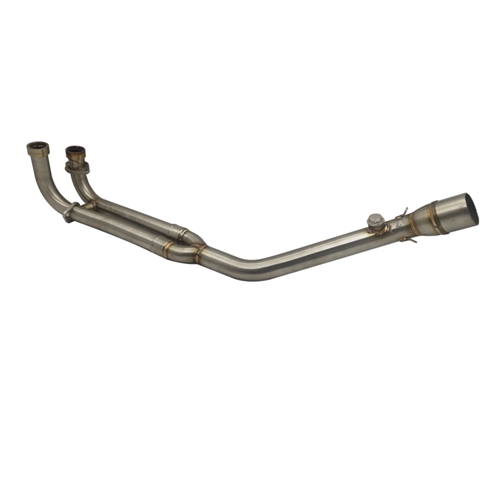
Exhaust heat is not uniform from front to back. The highest temperatures are usually closest to the engine, then they drop as gases expand and cool along the system. Real-world temperatures can vary widely, but these ranges are useful for safe handling and engineering decisions.
| Exhaust Area | Typical Surface Temperature Range | What This Means In Practice |
|---|---|---|
| Header pipe near cylinder | 200–600°C (392–1112°F) | Highest burn risk, fastest discoloration, coatings matter most |
| Mid-pipe / collector | 150–400°C (302–752°F) | Heat still severe, can affect leg comfort and nearby plastics |
| muffler can outer shell | 80–250°C (176–482°F) | Often cooler than the header, still hot enough to burn skin |
| Exhaust tip | 70–200°C (158–392°F) | Can stay hot after shutdown, easy to touch by accident |
Surface temperature differs from exhaust gas temperature. Exhaust gases inside the header can be significantly hotter, while outside surfaces change quickly with airflow and material thickness.
The exhaust system carries hot combustion gases away from the engine. Under load, combustion temperatures increase and the engine expels hotter gases at higher flow rates. The header pipe absorbs heat directly from the exhaust port area, and the metal then radiates and conducts heat outward. If airflow around the pipe is limited, the surface temperature climbs faster and stays high longer.
Heat also builds when the engine runs at idle for extended periods. Even though combustion load is lower than hard acceleration, cooling airflow is minimal at a stop, which can raise outer surface temperature around the header and mid-pipe.
Exhaust temperature is dynamic. Two bikes with the same engine size can have very different temperatures depending on setup and use.
Riding speed and airflow: Higher speed generally cools external surfaces more effectively, even if internal gas temperature is higher.
Engine load: Steep climbs, heavy acceleration, carrying extra weight, and headwinds increase heat.
Fuel mixture and tuning: Lean conditions tend to raise exhaust temperature and can increase header discoloration.
Exhaust design: Pipe diameter, length, collector layout, and baffle design influence gas velocity and heat distribution.
Material and wall thickness: Thicker stainless can spread heat differently than thin-wall mild steel or titanium.
Ambient temperature: Hot weather and traffic increase heat soak, especially around mid-pipe routing near the rider.
Many riders underestimate cooldown time. A header can remain painfully hot for several minutes, and certain sections can stay warm for much longer depending on material mass and airflow. In a closed garage or after a slow traffic ride, heat soak can keep surfaces hot even when the engine is off. A practical rule is to treat the exhaust as unsafe to touch for at least 15–30 minutes after riding, longer after heavy load or hot weather.
You can often “read” exhaust temperature history from the surface finish:
Blue or gold discoloration near the header usually indicates repeated high-temperature cycles.
Chalky, dull areas on coatings can signal overheating or surface contamination during heat cycles.
Burnt smell near leg area may indicate heat impacting rubber, wiring sleeves, or plastic covers.
Localized dark spots can point to uneven flow, restricted baffles, or hot spots near welds.
Discoloration alone is not always a problem, but it is a useful indicator when comparing different exhaust setups or tuning changes.
Most exhaust-contact burns happen during parking, loading, or quick checks when the rider assumes the bike has cooled. Good habits reduce risk significantly.
Avoid touching any exhaust section immediately after riding, even if it looks cool.
Use heat shields where leg contact is possible, especially on commuter or touring bikes.
Keep wiring and hoses routed away from hot sections and use high-temperature sleeves where routing is tight.
Wear gloves during inspection and maintenance, and use tools rather than hands near the header.
Park with awareness of passenger contact zones, especially for children or new riders.
Material choice influences corrosion resistance, durability, and how heat appears on the surface.
Stainless steel is widely used for its balance of strength and corrosion resistance. Titanium can reduce weight but may show color change quickly. Coatings and surface treatments can reduce radiant heat and protect against oxidation, but they must be matched to the real heat range of the header area. If the goal is rider comfort rather than only appearance, heat shields and proper pipe routing often deliver the most consistent results.
When selecting an aftermarket motorcycle exhaust, it helps to evaluate not only sound and styling, but also weld quality, mounting stability, and the heat strategy around areas close to the rider.
Motorcycle exhaust pipes can reach extremely high temperatures, especially near the engine header where surface heat can climb into the hundreds of degrees Celsius under real riding conditions. Heat levels vary with load, airflow, tuning, and exhaust design, and pipes can remain hot long after shutdown. Knowing the typical temperature zones and planning for heat management improves safety, protects nearby components, and supports long-term exhaust performance.
If you are developing a new exhaust configuration, evaluating materials, or sourcing exhaust systems for a motorcycle project, RUIYUE can support you with manufacturing guidance and product options. Visit our motorcycle exhaust page, and share your bike model, target design, and performance priorities. Our team can help you select a suitable structure and finish for stable, long-term use.


 Mobile Phone:
 Phone:
 Contact Now