Yes, you can powder coat a Motorcycle Exhaust, but only under the right conditions and with the right material choice. The key issue is heat. Exhaust parts run far hotter than most powder coatings are designed to tolerate, especially on header pipes close to the engine. If you powder coat the wrong section or use standard powder, the finish can discolor, blister, burn off, or turn chalky after a few heat cycles. A successful result depends on choosing a high-temperature powder formulation, applying it to the right exhaust zones, and preparing the metal correctly so the coating bonds and survives repeated thermal expansion.
If you are planning a new build or sourcing reliable systems from a manufacturer, you can review RUIYUE options on our motorcycle exhaust products page.
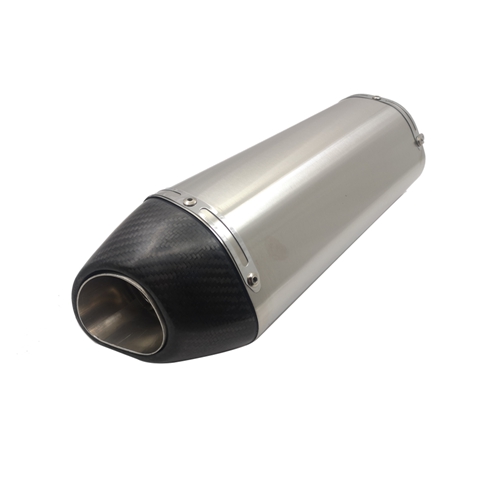
Before deciding, it helps to understand where heat is highest. Headers and areas near the exhaust port see the most intense temperatures, while muffler shells and end sections are typically cooler. This matters because many powder coatings struggle on parts exposed to extreme peak heat and rapid heat cycling. Even coatings rated as “high temp” may perform very differently depending on the resin system, thickness, cure schedule, and real-world riding load.
A practical takeaway is this: powder coating is usually more suitable for cooler exhaust sections such as muffler cans, certain mid-pipes, heat shields, or brackets, while header pipes often perform better with ceramic-based exhaust finishes that are built for higher continuous heat and thermal shock resistance.
Not all powder coatings are the same. Standard powders used for wheels, frames, and brackets are not designed for exhaust heat. High-temperature powder coatings exist, but they are more specialized and require strict application discipline to avoid early failure. If you are asking “can I powder coat my motorcycle exhaust” because you want a durable black finish, you should confirm whether the powder is specifically rated for exhaust-level temperatures and whether the coater has experience with heat-cycled parts.
Common failure patterns when the wrong powder is used include:
Color shift from deep black to brown or gray
Surface cracking from thermal expansion mismatch
Bubbling caused by outgassing from the metal
Flaking around welds and bends where heat is concentrated
Powder coating is most realistic on exhaust sections that see lower peak heat and less extreme cycling. Muffler bodies, outer shells, and certain tail sections can be good candidates when the coating is high-temp rated and the surface prep is correct. It can also work well on heat shields that are physically separated from the hottest gas path, or on mounting brackets where corrosion protection matters but temperatures are moderate.
On the other hand, headers are the most demanding area. If you powder coat headers with a coating not designed for that environment, the finish may fail quickly, even if it looks perfect immediately after curing.
The table below helps compare common finishing routes so you can match expectations with real performance.
| Finish Type | Heat Resistance | Appearance Options | Typical Best Use |
|---|---|---|---|
| Standard powder coat | Low for exhaust zones | Very wide color range | Brackets, guards, non-hot parts |
| High-temp powder coat | Moderate, depends on formulation | Limited compared to standard powder | Muffler shells, select mid-pipe areas |
| Ceramic exhaust coating | High, built for heat cycling | Commonly black, gray, metallic | Headers, high-heat sections |
| Bare stainless / polished | No coating to burn | Natural metal look | Stainless systems where discoloration is acceptable |
If your goal is maximum durability at the hottest section, ceramic-style coatings are often chosen. If your goal is an economical cosmetic refresh on cooler sections, high-temp powder can be a reasonable option.
Exhaust parts are exposed to oil vapor, carbon, road grime, and heat staining, all of which interfere with coating adhesion. Proper prep is more important than the spray step. Most quality coating processes include full degreasing, abrasive blasting, and controlled handling to prevent re-contamination before coating.
Preparation points that strongly affect results:
Remove all oil, silicone residue, and fingerprints before blasting
Blast to a consistent profile that matches powder requirements
Pay special attention to weld zones where porosity can trap contaminants
Keep coating thickness controlled so it does not crack under heat cycling
Outgassing is a frequent problem on used exhausts. If trapped residues release during cure, they can create pinholes or bubbles. Experienced coaters often use a pre-bake step to drive contaminants out before applying powder.
Powder coating requires correct cure temperature and time, and exhaust parts may also benefit from a controlled break-in heat cycle after installation. If the coating is heat-rated, gradual heat cycling helps stabilize the finish. Sudden wide-open throttle runs immediately after installation can shock the coating before it fully settles into its long-term behavior. A careful warm-up, cool-down, and repeated moderate cycles often improves early stability.
Powder coating can improve corrosion resistance and appearance, but it is not a universal solution for every exhaust part. Set expectations based on where the part sits and how you ride. Daily commuting, heavy traffic, and high load riding generate more heat soak than short casual rides. If you routinely run at high RPM or carry heavier loads, header temperatures rise and finishes are stressed more severely.
Common mistakes to avoid:
Using standard powder coat on headers
Coating over poor prep or heat-stained surfaces without blasting
Applying coating too thick in the hottest zones
Ignoring clamp areas and slip joints where abrasion can break the finish
You can powder coat a motorcycle exhaust, but results depend on heat zone selection, using a true high-temperature powder system, and executing professional surface preparation and curing. High-temp powder coating tends to perform best on cooler sections such as muffler bodies and selected mid-pipe areas, while headers usually demand more heat-focused finishes for long-term stability. If you want a finish that looks good and lasts, treat this as a heat-management decision rather than a purely cosmetic one.
If you are sourcing an exhaust system for a new model, a custom build, or a bulk program, RUIYUE can help you choose the right material, structure, and finish strategy for your target use. Explore our motorcycle exhaust products and send your bike model, pipe layout, and finish goals. Our team can provide practical guidance on manufacturability, durability, and coating compatibility.


 Mobile Phone:
 Phone:
 Contact Now