The pipe that connects to the muffler is usually called the header pipe, front pipe, or link pipe, depending on its position in the exhaust system. In many motorcycle applications, this section works as the connection between the engine exhaust outlet and the muffler body. Although it looks like a simple metal tube, it plays an important role in exhaust flow, fitment, sound control, and the overall riding experience.
For many buyers, this part is easy to overlook because the muffler often gets more attention. The muffler is the visible and recognizable part of the exhaust system, but it cannot work properly without the connecting pipe. The pipe determines how exhaust gases move from the engine into the muffler, and that affects back pressure, installation accuracy, and system stability. In modified motorcycles, it also has a strong impact on appearance because the connection area is often clearly visible.
That is why riders, distributors, and parts buyers often ask what this pipe is called. In practical use, the answer depends on the exact system structure, but in motorcycle aftermarket terminology, header pipe and link pipe are the most common names.
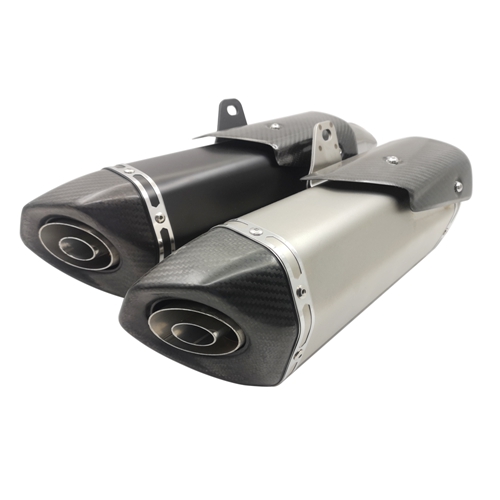
The connecting pipe is not just a support part. It is one of the main passages through which exhaust gas leaves the engine and enters the muffler. If the pipe diameter, bend angle, or fitment is poorly designed, the whole system can suffer. The muffler may not align correctly, the installation may become unstable, or exhaust flow may be restricted.
A well-made connecting pipe helps the exhaust system work more smoothly. It guides gases efficiently, supports the muffler body, and helps the whole assembly fit the motorcycle more precisely. In performance-oriented or modified motorcycles, this becomes even more important because riders usually expect a cleaner layout, a stronger visual effect, and more dependable installation.
This is also why stainless steel link pipes are widely used. They offer better durability, better heat resistance, and a cleaner finish for motorcycles that need both function and appearance.
These three names are often used in similar discussions, but they are not always exactly the same. A header pipe usually refers to the pipe section coming directly from the engine. A front pipe is a broader term and often describes the pipe at the front section of the exhaust route. A link pipe usually refers to the connecting section between the header and the muffler.
In many aftermarket product listings, the names may overlap because different markets and buyers use different habits. That is why a product may be called a Moto Header Front Link Pipe Muffler assembly. In simple terms, it means the part is designed to connect the exhaust path and work with the muffler in one system.
For buyers, the key point is not only the name. It is whether the pipe matches the motorcycle model, inlet size, and muffler connection correctly.
The connecting pipe directly influences exhaust flow. When the inner diameter and pipe route are properly designed, gases can move more smoothly from the engine to the muffler. This helps the exhaust system operate more efficiently and supports better overall system balance.
Fitment is just as important. A poorly matched pipe can create installation stress, vibration issues, or sealing problems. Even if the muffler itself is high quality, the system will not feel complete if the connecting section does not align correctly. In real use, that can lead to leakage, noise issues, or a less stable mounting result.
This is why buyers should pay attention to inlet diameter, material, welding quality, and compatibility with the target motorcycle. These details shape how the exhaust system performs after installation.
Exhaust components work in a high-heat, high-vibration environment. The connecting pipe must handle heat cycles, road conditions, and daily riding stress without deforming too easily or losing structural reliability. That is why stainless steel is a common choice for this kind of part.
A stainless steel pipe offers better corrosion resistance and a stronger long-term appearance than many lower-grade alternatives. For modified motorcycles, this matters because the exhaust system is often exposed and visually important. A clean metal finish gives the bike a more professional and finished look, while also supporting long-term durability.
When paired with a Carbon Fiber slip-on muffler or other upgraded exhaust components, a stainless steel front link pipe also helps create a more premium overall exhaust assembly.
Before selecting the pipe that connects to the muffler, buyers should first confirm the exact motorcycle model and exhaust fitment dimensions. Pipe diameter is especially important because even a small mismatch can affect installation and sealing.
It is also useful to check whether the part is sold as a separate link pipe or as part of a more complete exhaust set. Some assemblies include springs, hooks, or joints, which can make installation more convenient and improve system stability.
Material, surface finish, and production consistency should also be considered. In wholesale and project purchasing, these points matter because buyers often need stable quality across repeated orders, not just a single good-looking sample.
This pipe is a common upgrade part in the motorcycle aftermarket because it affects both style and system layout. Many riders want a cleaner connection between the engine side and the muffler, especially when changing from an original exhaust to a slip-on or modified system.
A well-designed front link pipe can make the exhaust line look more continuous and more aggressive without making the bike look overdone. For brands, dealers, and custom parts sellers, this makes it a practical product category because it combines visible appeal with real mechanical function.
The pipe that connects to the muffler is commonly called the header pipe, front pipe, or link pipe, depending on where it sits in the exhaust system. It is a key part of the motorcycle exhaust assembly because it guides exhaust gases, supports correct muffler installation, and influences both performance and appearance.
For motorcycle exhaust buyers, this part deserves more attention than it usually gets. The right connecting pipe can improve fitment, support smoother exhaust flow, and make the whole system look more complete. If you are comparing exhaust parts, developing a motorcycle modification product line, or sourcing link pipes for specific models, feel free to contact us. We can help review dimensions, material options, and fitment details to support a more suitable exhaust solution for your project.
Previous:


 Mobile Phone:
 Phone:
 Contact Now