Removing baffles from a Motorcycle Exhaust is a topic many riders search when they want a louder sound, a freer exhaust note, or a different riding feel. But the job is not only about taking out one part and expecting everything to improve. A baffle affects sound, backpressure, and the overall behavior of the muffler. Once it is removed, the exhaust tone changes immediately, but the result can also affect comfort, street legality, and how the bike feels at different speeds.
That is why this job should be approached carefully. On many modified exhaust mufflers, the baffle is designed as part of the sound-control structure. It helps manage noise while still allowing the muffler to keep a sporty look and practical flow path. short motorcycle mufflers are especially popular because they give a more aggressive appearance and a compact style, but that also means sound changes can become more noticeable after any internal modification.
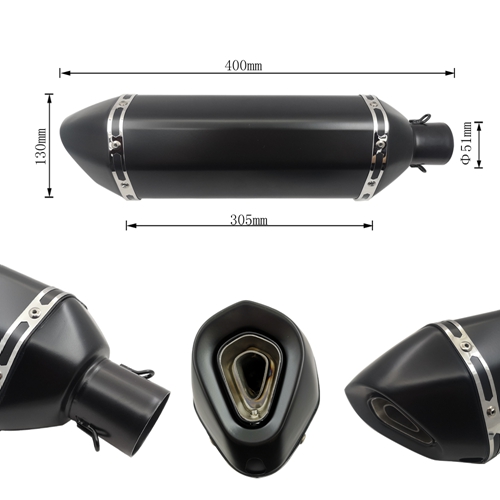
Before removing anything, it helps to understand the role of the baffle. A baffle is not just there to make the motorcycle quieter. It is part of how the muffler shapes exhaust sound and controls gas flow through the canister. In many systems, it reduces harshness, softens sharp exhaust pulses, and helps the bike feel more balanced in daily riding.
When riders remove the baffle, what they usually notice first is volume. The exhaust becomes louder, more open, and often more aggressive in tone. But louder does not always mean better. On some bikes, the change feels exciting at first and tiring later, especially for city riding or long trips. On others, the sound becomes rougher without giving much real performance benefit.
This is why baffle removal should be treated as a tuning choice, not just a sound trick. A muffler is part of the full exhaust system, and any internal change can affect the riding experience more than expected.
Not every motorcycle exhaust is built the same way. Some mufflers are designed with a removable dB killer or insert, while others use a more fixed internal structure. This is an important difference. If the muffler is built for easy adjustment, the process is usually more straightforward and more reversible. If it is not, removal may become harder, less clean, and less practical.
Many modified motorcycle mufflers are chosen because they combine style and easy installation with a more personalized sound direction. A short muffler design is often used by riders who want a sportier appearance and a more compact system, but the internal structure still matters. Before doing anything, it is worth checking whether the exhaust was designed to allow baffle removal in the first place.
A reversible setup is usually the better option. It gives the rider more flexibility and reduces the risk of damaging the muffler body during the process.
If the muffler has been used recently, the first real step is to wait until the entire exhaust system is fully cool. Motorcycle exhaust parts heat up quickly and stay hot longer than many people expect. Trying to remove a baffle while the canister is still warm is uncomfortable at best and unsafe at worst.
A cool exhaust also makes inspection easier. Fasteners, end caps, and retaining points are easier to see and handle when you are not rushing around heat. This matters because baffle removal is often a small-access job. Good visibility and steady handling are more useful than force.
In practice, patience at the beginning usually leads to a cleaner result later.
Most removable baffles are accessed from the outlet side of the muffler. That means the end cap area is usually the first place to inspect. On some mufflers, the insert is held by a visible fastener. On others, it may sit deeper inside the outlet and still require careful checking before removal.
This stage is important because many problems come from assuming the first visible part is the only locking point. A rider may loosen one fastener and expect the insert to slide out easily, only to find that the baffle is still seated tightly due to fit, residue, or internal structure. The safer approach is to inspect the outlet carefully and understand how the insert is held in place before pulling on anything.
Modified mufflers are often selected for their easy installation and visual style, but that does not always mean every internal part is meant to come apart casually. A careful inspection helps avoid scratching the finish or stressing the end section unnecessarily.
Once the retaining point is released, the baffle should be removed gradually rather than forced out. On a clean and serviceable muffler, the insert may come free with controlled pulling. On a used exhaust, it may feel tighter because of soot, vibration, or heat cycling over time.
This is where many riders make mistakes. Forcing the insert too aggressively can damage the outlet edge or distort the insert itself. A slow and controlled removal is usually better, especially if you want the option of reinstalling the baffle later.
If the baffle does not move easily, that usually means the job needs more patience, not more violence. A muffler designed for repeated use and practical maintenance should still be handled gently if the goal is to preserve both appearance and function.
After the baffle is removed, the first noticeable result is almost always sound. The exhaust note becomes louder and sharper, and the bike may feel more direct during throttle input simply because the sound response is stronger. For some riders, that is exactly the result they want. For others, it quickly becomes too much, especially in urban riding or on longer routes.
Short motorcycle mufflers already tend to produce a more aggressive tone than larger standard mufflers, so removing the baffle can push that effect much further. A compact muffler is often chosen for visual impact and a sportier riding image, but the sound level should still suit real riding conditions.
This is why it helps to think beyond the first startup. The better question is not only whether the bike sounds louder, but whether the sound still feels right after normal daily use.
Some riders expect baffle removal to create a major performance gain. In reality, the change is often more noticeable in sound than in actual power. Exhaust behavior depends on the full system, including pipe layout, engine tuning, and overall flow balance. A muffler insert influences part of that system, but it is not the only factor.
In some cases, removing the baffle can make the exhaust feel freer at higher revs. In other cases, the bike may lose some smoothness or feel less balanced in normal riding. This is especially relevant on street motorcycles where usable throttle response matters more than loud sound alone.
So it is better to keep expectations realistic. Baffle removal is usually a sound and character change first. Any performance difference depends on the whole setup, not only the insert.
This is one of the most important parts of the decision. A louder exhaust may sound appealing, but it can also create practical problems if it no longer fits local noise rules. In some areas, an exhaust setup may only remain street legal when it stays within specific sound regulations. That is why riders should always think about where and how the motorcycle will be used.
A modified muffler may work well for style, individuality, and a stronger riding image, but road use still comes with real limits. For everyday street riding, a removable baffle is often the better solution because it keeps the rider flexible. The bike can be tuned toward a stronger sound without giving up the option of a quieter setup later.
That flexibility matters for both private riders and buyers sourcing modified exhaust products for broader markets.
The result of baffle removal depends a lot on the muffler itself. A well-made modified motorcycle exhaust should not only look good from the outside. It should also offer a stable structure, clean installation logic, and a design that supports the intended sound and fitment range.
Short hexagonal mufflers are often chosen because they combine compact styling with a strong visual upgrade. They are especially attractive to riders who want a sportier aftermarket look without making the bike appear bulky. When that type of muffler is also easy to install and available with customization options, it becomes more practical for different bike styles and rider preferences.
This is why product selection matters before modification even begins. A better muffler design gives the rider more control over the final experience.
Removing baffles from a motorcycle exhaust is mainly about changing sound and character, not simply making the bike better in every way. The process should begin with understanding how the muffler is built, whether the baffle is removable, and how the change may affect real riding use. A careful and reversible approach is usually the smartest choice, especially for riders who want more freedom without damaging the exhaust or creating unnecessary noise problems.
A well-designed modified muffler already balances appearance, installation convenience, and exhaust personality. If you are comparing motorcycle exhaust options and want help choosing a short muffler style, fitment range, or customization direction, feel free to contact us. We can help you review suitable exhaust solutions and provide practical support for your product selection.
Previous: How To Clean A Motorcycle Gas Tank?


 Mobile Phone:
 Phone:
 Contact Now