A good tank is built to store fuel safely and support consistent riding, but even a strong steel tank still needs proper care. This is especially true for riders who use their bikes for longer trips, custom builds, or regular road use where fuel quality and tank condition directly affect daily performance.
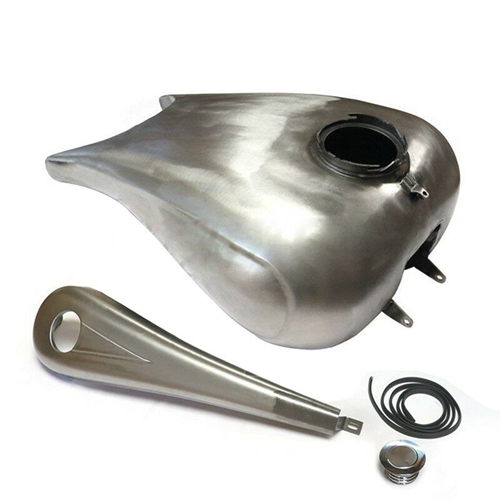
A motorcycle gas tank usually becomes dirty for a few common reasons. The first is old fuel. When fuel sits inside the tank for too long, it can leave residue behind. The second is moisture. Even a small amount of trapped moisture can create problems over time, especially in steel tanks. The third is general contamination from dust, rust particles, or small debris entering during refueling or storage.
These issues often build slowly. At first, the motorcycle may seem normal. Then fuel flow becomes less clean, the inside of the tank begins to discolor, or small rust spots start to form. That is why tank cleaning is often most effective when done before the condition becomes serious.
For motorcycles used in touring, restoration, or custom projects, the tank is often a very visible and important part of the bike. But the real value of cleaning is not cosmetic alone. It is about protecting the whole fuel system from unnecessary trouble.
Before cleaning the tank, the first priority is safety. Fuel tanks should always be handled in a ventilated area and away from open flame or heat sources. A gas tank may look empty but still contain fuel vapor, so careful handling matters from the beginning.
Preparation also makes the job much easier. The tank should be removed or positioned so it can be inspected properly. Once you can see the tank clearly and work around it without rushing, it becomes easier to judge whether the problem is light dirt, fuel varnish, or early rust.
This stage is also useful for checking the outer condition of the tank. If the tank has dents, worn fittings, or visible signs of corrosion near the seams or cap area, that may influence how the cleaning should be approached.
A proper cleaning job begins by draining out any old fuel. This step is important because dirty or aged fuel often carries the very residue that caused the tank problem in the first place. If the old fuel remains inside while cleaning begins, it is much harder to judge the real tank condition.
Once the fuel is drained, the inside of the tank becomes easier to inspect. In some cases, the tank may only have light contamination and need a basic flush. In others, the inner surface may show rust staining or old deposits that need more attention. Either way, draining fully gives a much clearer starting point.
A tank used for longer-range riding or custom applications often holds more fuel, which makes full draining even more important before any cleaning work begins.
The next step is usually a basic flush. This helps remove loose dirt, old fuel residue, and small particles before deeper cleaning begins. A gentle first flush is useful because it clears out what is not firmly attached inside the tank. Once that loose material is gone, it becomes easier to see whether the remaining problem is mostly staining or actual corrosion.
This stage should not be rushed. A gas tank is a structural fuel-carrying part, so the goal is to clean it without causing unnecessary stress to the inside surface. In many cases, riders find that a basic flush already removes more contamination than expected.
This is especially helpful for tanks that have been sitting unused for a period of time. Stored motorcycles often collect more stale fuel residue than regularly used bikes.
If the tank is made from steel, rust is one of the biggest concerns. A heavy-duty steel gas tank offers strong structure and dependable use, but like any steel component, it still needs care when moisture enters the picture. Rust often begins quietly. At first it may only appear as light discoloration, but if ignored, it can become a much larger problem inside the tank.
This is why internal inspection matters so much during cleaning. The goal is not only to wash out dirt but also to understand whether the tank is still in a healthy condition for regular use. If cleaning reveals only surface-level residue, maintenance is usually straightforward. If it reveals larger rust areas, the tank may need more serious treatment before returning to service.
A clean fuel tank supports cleaner fuel delivery. That means fewer unwanted particles moving through the fuel line and less strain on the rest of the motorcycle fuel system.
One of the most important steps in the whole job is drying the tank properly. A tank that looks clean but still holds moisture inside is at risk of developing fresh rust again. This is especially true with steel tanks, where leftover dampness can undo the benefit of cleaning very quickly.
Drying should be complete and patient. It is not enough for the tank to look empty. The inside needs to be dry enough that no hidden moisture remains in corners, seams, or lower sections. In many cases, proper drying is what separates a successful maintenance job from a temporary improvement.
This matters even more for larger-capacity tanks intended for extended riding range. The more internal space a tank has, the more important it is to be sure the entire inside is dry before fuel goes back in.
When cleaning a motorcycle gas tank, it is easy to focus only on the main inner chamber and forget the cap area, filler opening, and nearby connections. But these parts also matter. Dirt near the opening can fall back into the tank later, and worn cap areas may allow moisture or contamination to enter more easily over time.
A clean opening area helps protect the tank after the main cleaning is finished. It also improves general maintenance quality because the tank stays cleaner during future refueling. If the motorcycle is part of a custom build or a visually detailed project, keeping the cap area tidy also supports the overall look of the bike.
Good tank care is usually about details. The cleaner the entry points are, the easier it is to keep the whole fuel system in better shape.
Many gas tank problems begin during storage rather than daily riding. A motorcycle that sits unused for too long can develop stale fuel residue, internal moisture buildup, or early rust. That is why cleaning should not only be reactive. It should also be part of storage planning.
If the motorcycle will not be used for a while, tank condition should be considered in advance. A clean and well-managed tank is far easier to keep in good shape than one that is left partly neglected and then repaired later. Riders who maintain their tanks before long storage often avoid much more difficult cleaning work in the future.
For touring bikes, custom motorcycles, and retro-style builds, the fuel tank is often both functional and visually important. Keeping it clean protects both roles at the same time.
Cleaning helps, but long-term results also depend on the tank itself. A well-made motorcycle fuel gas tank should combine reliable structure with practical use value. Heavy-duty steel construction, stable welding, and good overall tank design all matter because cleaning and maintenance work best when the base product is solid to begin with.
A larger custom stretch tank is especially useful for riders who want extended range and a stronger visual presence on the bike. But with that added capacity comes the need for better maintenance habits. The more important the tank is to the riding setup, the more worthwhile regular cleaning becomes.
That is why many riders now look not only at style, but also at material, tank structure, and how suitable the product is for long-term use in real riding conditions.
Cleaning a motorcycle gas tank is really about protecting fuel quality, tank condition, and riding reliability at the same time. The key steps are draining old fuel fully, flushing the tank carefully, checking for rust, drying it thoroughly, and paying attention to storage habits afterward. When these steps are handled properly, the tank stays healthier and the motorcycle fuel system is better protected.
A strong motorcycle fuel tank should support both appearance and function, but regular care is what keeps it working well over time. If you are comparing motorcycle fuel tanks for custom builds, touring projects, or replacement needs and want help with tank style, capacity, or product selection, feel free to contact us. We can provide practical support and help you find a suitable tank solution for your project.
Previous:


 Mobile Phone:
 Phone:
 Contact Now