A motorcycle fuel tank is never just a metal shell. It is part of the whole riding system, and the cap is one of the small components that does more work than many buyers first expect. So when people ask whether it is okay to not have a fuel cap, the practical answer is simple: no, it is not a good idea for any motorcycle that is meant to be used safely, stored properly, or sold as a finished and reliable product.
This question also connects directly to modern aftermarket and replacement parts. Many riders do not want a bulky cap that interrupts the tank line. They want a cleaner appearance, easier daily use, and a part that still handles ventilation and sealing properly. That is why a product such as a chrome vented flush mount tank cap matters. It solves the real problem behind the title. Riders may think they want no cap, but what they usually want is a cap that is less visible, more attractive, and better integrated into the tank.
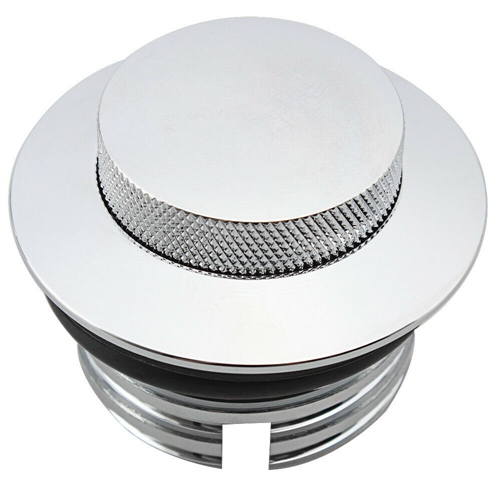
A fuel cap protects the tank opening from dust, rain, splashed water, debris, and accidental contamination. Without it, fuel can be exposed to the outside environment, and that creates obvious safety and performance concerns. Dirt entering the tank can affect the fuel system over time. Water intrusion can lead to poor running conditions, corrosion, and service issues. Fuel evaporation also becomes a bigger problem when the opening is not properly sealed.
There is also the issue of pressure management. A motorcycle fuel tank is not just a storage container. It works within a system that needs proper airflow and venting. A cap designed with the correct vented structure helps the tank breathe in a controlled way. Removing the cap entirely does not improve this. It creates an uncontrolled opening, which is a very different situation from a vented cap engineered for actual road use.
For distributors, custom builders, and parts buyers, this is important beyond the rider level. A missing cap is not simply a cosmetic gap. It can become a quality complaint, a safety concern, and a product credibility issue. In export markets, buyers do not just look at whether a part fits. They also look at whether the product looks complete, performs consistently, and reduces after-sales trouble.
In most cases, people asking this question are not seriously planning to leave the tank open. They are usually reacting to one of three concerns.
The first is appearance. A standard cap may look too raised, too plain, or too old-fashioned for a custom motorcycle build. The second is convenience. Some caps are awkward to grip or do not match the user experience expected in premium aftermarket parts. The third is compatibility. Buyers may be replacing old stock caps and want an option that works better with the visual style of the motorcycle.
This is where a flush mount design becomes relevant. It gives the tank a more finished and low-profile look without removing the function of the cap itself. In other words, the market is not really moving toward having no fuel cap. It is moving toward better cap design.
A missing fuel cap leaves the tank exposed. A well-made vented flush mount cap keeps the tank closed while improving the look of the fuel tank area. That difference matters a lot in product positioning.
For a retailer or importer, the visual line of the motorcycle can influence whether a customer sees the part as basic replacement hardware or as a value-added upgrade. For an assembler or project buyer, the cap design affects not only style but also the final impression of build quality. If the tank opening looks rough or unfinished, the whole motorcycle can feel incomplete even if the rest of the parts are well selected.
A flush mount cap answers that problem by sitting closer to the tank surface. The result is a cleaner look, but the product still performs the job of closing the tank and managing venting. That is a far better answer than running without a cap.
One reason many buyers overlook is that the word vented is not just a sales term. It points to a real functional value. A vented cap is designed to allow proper air exchange for the fuel tank system while still maintaining the role of a cap. That is very different from leaving the tank fully open.
For buyers sourcing Motorcycle Tank accessories in volume, this distinction matters because end users expect both appearance and function. If a product looks good but creates pressure-related issues or inconsistent performance, it quickly becomes an after-sales burden. Returns, fit complaints, and installation confusion cost more than the part itself.
A properly designed vented cap helps avoid that problem. It gives a more refined solution for motorcycles where the tank setup requires venting while also maintaining a secure and finished appearance.
In the motorcycle parts business, many purchase decisions happen fast. A buyer sees the finish, shape, mechanism, and fitment claims before looking deeper. That is why details such as profile height, grip texture, opening motion, and surface finish matter more than they may seem.
A cap with a clean chrome finish and a flush mount shape immediately speaks to style-conscious buyers. A cap with an easy opening structure reduces the frustration often found in cheaper parts. A cap with a grip-friendly outer ring also improves actual daily handling, which can be the difference between a product that gets positive feedback and one that gets replaced again.
For wholesale buyers, this becomes a sourcing issue rather than just a design issue. Low-value components often create disproportionate service problems. A fuel cap that feels flimsy, opens poorly, or looks out of place can damage confidence in the whole product line. That is why many professional buyers focus on consistency in machining, finish quality, and fitment range instead of only unit cost.
A chrome vented flush mount tank cap is a useful product example for this topic because it addresses the exact tension behind the title. Some riders want the tank to look cleaner, but they still need the tank to be sealed and vented properly. A flush mount cap gives that cleaner look without removing the cap function.
This is especially relevant for buyers serving custom motorcycle shops, aftermarket part distributors, and replacement part channels. Their customers often want a part that feels more refined than standard stock hardware. They are not asking for less function. They are asking for function in a more attractive form.
That is why this type of cap works well in product planning. It helps bridge the gap between appearance, usability, and technical necessity. Instead of telling riders they cannot have a cleaner tank line, it gives them a realistic way to achieve it.
Professional buyers do not only ask whether a cap looks good. They also think about fitment clarity, installation ease, finish durability, complaint rate, and how easily the part can be sold across multiple models or customer groups.
One common pain point is unclear compatibility. Another is inconsistent finishing between production batches. Some buyers also face a frequent issue with low-cost parts that look acceptable in photos but feel weak in hand. That leads to poor reseller confidence and extra communication with end customers.
There is also the problem of product presentation. A component like a tank cap may be small, but it sits in a highly visible position on the motorcycle. If the finish is poor, if the opening method feels cheap, or if the cap does not sit cleanly on the tank, the visual quality problem becomes obvious immediately.
For this reason, a better cap is not just a nicer accessory. It is also a more dependable business product. It reduces the gap between what buyers expect to sell and what customers expect to receive.
If a rider dislikes the look of a traditional fuel cap, the answer is not to remove it. The better approach is to choose a cap that fits the desired tank style and functional requirement. That means looking at profile, venting, material, grip design, finish, and fitment.
For wholesalers and project buyers, that also means selecting a supplier that understands how a small part affects the whole motorcycle presentation. A cap should not be treated as an afterthought. It is a finishing component. On custom and replacement-focused motorcycles, finishing components often influence the buying decision more than expected.
A well-selected cap improves perceived value, helps complete the tank design, and supports reliable daily use. That makes it far more practical than trying to create a cap-free appearance by leaving the opening exposed.
So, is it okay to not have a fuel cap? In real use, no. A motorcycle fuel tank needs proper closure and controlled venting, and leaving the opening unprotected creates safety, maintenance, and product quality issues. What many riders actually want is not the absence of a cap, but a cap that looks cleaner and works better with the bike design.
That is where a vented flush mount tank cap makes sense. It keeps the function riders need while delivering a more streamlined tank appearance that works well for aftermarket sales and replacement demand. For buyers who need guidance on cap selection, fitment planning, or product sourcing, we are ready to help with practical recommendations and product support based on your project needs.
Previous: What Does A Exhaust Muffler Do?


 Mobile Phone:
 Phone:
 Contact Now