A fender on a motorcycle is the curved panel positioned above the wheel, usually at the front, the rear, or both. Its main job is simple but important: it helps block water, mud, gravel, and road debris thrown up by the rotating tire. Without it, the motorcycle gets dirtier faster, nearby parts face more exposure, and the rider may deal with more spray in wet or rough conditions.
That basic definition is only part of the story. In real product selection, a Motorcycle Fender also affects appearance, installation fit, durability, and aftermarket value. This is why the topic matters for more than just riders. Importers, distributors, custom builders, and project buyers also pay close attention to fender material, dimensions, finish, and consistency. A steel motorcycle fender is especially relevant here because it connects directly to both function and visual style. It is not only a protective part. It is also a visible structural accessory that changes how the rear section of the motorcycle looks and performs.
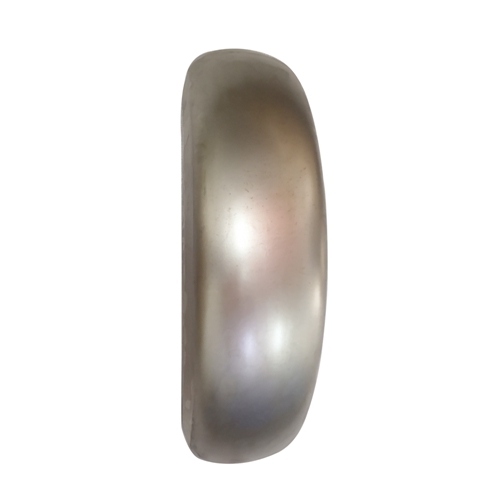
The wheel of a moving motorcycle throws whatever it touches upward and outward. On a dry road, that may just be dust or small grit. On a rainy road, it becomes a stream of dirty water. On rougher surfaces, it can include sand, small stones, and other debris. The fender sits in the path of that spray and helps redirect it before it reaches the rider, the motorcycle body, or critical rear components.
This makes the fender far more useful than some buyers first assume. It protects the bike from daily mess, but it also reduces unnecessary exposure on parts around the wheel area. Chains, shocks, brackets, painted surfaces, and nearby metal parts all benefit when road splash is reduced. For custom or modified motorcycles, this becomes even more important because exposed styling often leaves more of the bike visible. When more components are open to view, they are also more open to dirt and water.
That is where a steel motorcycle fender fits naturally into the conversation. It answers the basic question of what a fender is, but it also shows how the part can be upgraded from a simple guard into a more durable and visually stronger component.
A motorcycle fender is one of those parts that riders may not think about until conditions get bad. In dry weather, it blends into the shape of the bike. In rain, on damaged roads, or near gravel, its value becomes obvious. The fender reduces the amount of water and debris moving toward the rider and toward the body of the motorcycle. That helps the bike stay cleaner and can reduce cleanup and maintenance effort after regular use.
It also helps preserve the visual condition of the motorcycle. Dirt and splash do not just disappear after a ride. They collect, dry, and sometimes stay trapped around surfaces and joints. Over time, repeated exposure can make a motorcycle look older than it should. A good fender helps reduce that problem before it starts.
For buyers working in replacement parts or customization, this point matters because end users do not only buy based on style. They buy parts that make ownership easier. When a fender can combine protection with a strong visual finish, it becomes easier to position in both practical and custom-focused markets.
Not every fender performs the same way, and material is one of the first reasons why. Plastic fenders may be common in some applications because they are lightweight and low cost. But steel fenders continue to matter in the market because they offer a different value profile. They feel more solid, often suit retro or custom builds better, and can provide stronger structural confidence in demanding use.
A steel motorcycle fender is often chosen when buyers want a part that looks substantial and lasts through more demanding riding environments. On modified bikes, especially Harley-style or chopper-oriented builds, the visual language of steel is part of the appeal. It gives the motorcycle a more mechanical and finished look. It also supports repainting, polishing, reshaping, and other customization work more naturally than many thin plastic parts.
From a sourcing perspective, material choice is also tied to complaint risk. Buyers do not want a part that looks acceptable in catalog photos but feels weak after installation. When customers touch the product, mount it, and ride with it, the real impression starts there. A steel fender can help reduce the gap between expected quality and delivered quality.
When a motorcycle fender is made from stainless steel, the product becomes more attractive for both use and resale. Stainless steel is commonly selected because it offers better resistance to rust and corrosion than ordinary untreated steel. Since fenders are constantly exposed to water, dust, road grime, and changing weather, this matters in real use, not just in marketing.
For many buyers, this is where a steel fender becomes commercially stronger. It is not enough for the part to look good at the time of purchase. It also needs to hold up over time, especially if it will be sold into humid regions, coastal markets, or areas where motorcycles see frequent outdoor use. A part that starts rusting too soon can damage customer trust quickly.
There is also the issue of finish stability. A well-made stainless steel fender can maintain a cleaner appearance through normal use and regular cleaning. That helps importers and dealers because visible parts create immediate customer judgment. A motorcycle fender is not hidden deep inside the machine. It is seen at a glance, so surface quality matters.
The shape of a motorcycle fender is often discussed as a style choice, but it is also tied to coverage, fitment, and wheel relationship. A fender that is too short may not offer enough splash control. One that is too large or poorly matched to the tire line may affect the finished look of the bike. This is why dimensions matter even on a product that seems visually simple.
For builders and parts buyers, the fender is one of the parts that influences the entire rear profile of the motorcycle. It can make the bike feel sharper, heavier, cleaner, more retro, or more aggressive depending on its arc and proportions. That is one reason steel fenders remain popular in custom applications. Buyers are not just replacing a damaged part. They are shaping the silhouette of the bike.
This also creates a common B2B pain point. If dimensions are unclear, resellers face repeated questions about fitment. If production consistency is weak, one batch may install cleanly while another creates alignment trouble. That kind of inconsistency costs time and creates avoidable after-sales communication.
In the motorcycle parts business, a fender is rarely sold only as a universal idea. Buyers want to know what kind of bike it suits, how much modification may be needed, and whether the part is practical for stock replacement or custom use. Clear fitment is one of the most valuable parts of product communication.
This matters even more for steel fenders used on modified motorcycles. Many buyers in this category are not looking for a decorative part alone. They want a fender that can work with a real project, whether that means a Harley-style build, a chopper setup, or a retro conversion. If fitment information is vague, the product becomes harder to sell and easier to dispute after delivery.
For wholesalers and distributors, that means fitment clarity is not a small detail. It affects sales efficiency, return rate, and customer confidence. A fender with a clean description, stable dimensions, and consistent production quality is easier to move through the market than one that relies only on appearance.
The fender sits in a highly visible area of the motorcycle, so the finish affects perceived quality immediately. Even buyers who care mainly about function usually notice surface polish, edge quality, and overall shaping. A rough finish makes the whole rear section look unfinished. A cleaner finish gives the motorcycle a more complete and intentional look.
This is especially important in markets where custom styling plays a large role in purchase decisions. Riders may accept minor mechanical differences, but they are less forgiving about visible flaws. Uneven polishing, poor edge treatment, or weak weld areas can make a fender feel cheap even if the base material is acceptable.
For commercial buyers, finish consistency is often a bigger issue than sample quality. One strong sample is not enough. They need to know that repeat orders will maintain the same appearance. That is what supports long-term sales. The fender category may look straightforward, but repeatability is what turns a product into a stable business line.
The motorcycle aftermarket continues to value parts that combine function, visual character, and customization potential. That is why steel fenders remain relevant. They work as practical protective parts, but they also support style-driven builds that plastic alternatives do not always match well.
A steel motorcycle fender is especially appealing when the buyer wants a product that feels durable, suits modified motorcycles, and offers a stronger material impression. In many cases, the customer is not simply replacing a worn part. They are improving the bike’s look while keeping useful road protection. That combination makes the product commercially flexible.
For buyers supplying custom shops, independent dealers, or online aftermarket stores, this matters a lot. Products with both practical use and strong visual appeal are usually easier to explain and easier to market. The fender becomes more than a wheel cover. It becomes part of the motorcycle’s identity.
So, what is the fender on a motorcycle? It is the protective panel above the wheel that helps control water, mud, and road debris while also shaping the look of the bike. In real use, it protects nearby parts, improves day-to-day cleanliness, and adds structure to the motorcycle’s overall design. In the aftermarket, it also carries real value in terms of fitment, finish, durability, and custom styling potential.
A steel motorcycle fender makes this even more relevant because it combines functional protection with a stronger visual and material presence. For buyers comparing options for replacement, modification, or resale, the right fender is not just about covering the wheel. It is about choosing a part that looks right, installs with confidence, and holds up in actual riding conditions. If you need help with product selection, fitment questions, or order planning for motorcycle fenders, you are welcome to contact us. We can offer practical guidance and support based on your market and project needs.
Previous: Where To Buy Muffler Pipe?


 Mobile Phone:
 Phone:
 Contact Now