A motorcycle muffler can change the whole feel of a bike. When it is clean, the finish looks sharper, the shape stands out more, and the whole rear section feels better kept. When it is covered with dust, road grime, fingerprints, or burned-on marks, even a good bike starts to look tired. That is why cleaning the muffler is not only about appearance. It is also part of regular care, especially for riders, repair shops, distributors, and buyers who want exhaust parts to keep a better finish over time.
A universal muffler like ours is built for a wide range of motorcycles, including street bikes, scooters, off-road bikes, and ATVs, with fitment for 35 mm to 51 mm exhaust pipe diameters. The main body uses 304 stainless steel, and the rear cover uses real Carbon Fiber, which means the cleaning method should be chosen with those materials in mind. It is also supplied with clamp hardware, an adapter, springs, and a DB killer, so buyers are not looking at a decorative shell only, but a complete working exhaust accessory.
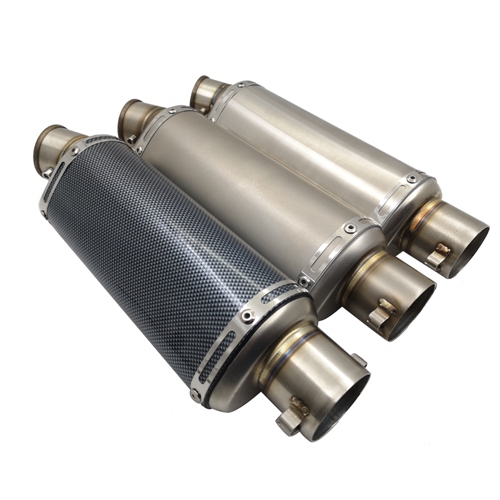
The safest way to clean a motorcycle muffler is to begin gently. Most dirt on the outside is not permanent damage. It is usually dust, road residue, water marks, or light oil film. A soft cloth with warm water and mild cleaner is often enough for the first pass.
This matters because stainless steel and carbon fiber do not respond well to rough treatment. If the first step is too aggressive, the rider may remove dirt but also leave scratches or uneven shine. In real use, a muffler usually looks better when it is cleaned more often with lighter care rather than cleaned rarely with very harsh products.
For shops and wholesalers, this is also useful advice to pass on to customers. A part that stays cleaner with simple maintenance is easier to sell and easier to keep attractive after installation.
The outside of the muffler is usually easy to wipe down. The harder part is the darker staining that appears after long exposure to heat. This can build up around the outlet or on areas that see repeated high-temperature use. It is common on motorcycles used for city riding, rural roads, and longer travel, because heat cycles keep changing during normal riding.
In this case, cleaning should still stay controlled. A metal cleaner suitable for stainless steel is a better choice than random abrasive methods. The goal is to lift the stain gradually, not scrape the finish. The same product page for this muffler specifically recommends regular removal of exterior dust and carbon deposits, and notes that a light wipe with metal cleaner helps maintain surface stability.
That is an important point for long-term appearance. A muffler can last for years under normal use, but riding environment, heat exposure, and maintenance habits all affect how well it keeps its look.
A lot of riders think only about polishing the outside, but cleaning is also a chance to check the muffler itself. Once the surface is wiped down, it becomes easier to notice loose clamps, worn rubber, or signs of vibration stress. That matters even more on off-road bikes and ATVs, where higher vibration and rough conditions can put more pressure on the exhaust assembly. The muffler on this page is positioned for those environments and describes a structure built to reduce loosening under vibration.
For B-end buyers, this is one of the practical advantages of a better universal design. A cleaner product is easier to inspect, easier to maintain, and easier to support after sale. In project or distribution work, that reduces complaints that begin as “surface problems” but are actually installation or usage issues.
Not every exhaust accessory should be cleaned the same way. A 304 stainless steel body gives better heat and corrosion resistance than lower-grade alternatives, which makes it a better base for repeated outdoor use and cleaning. The carbon fiber rear cover also changes the look of the muffler and adds more styling value, but it means the user should avoid rough polishing methods that make sense on bare metal only.
This is one reason universal exhaust buyers often care about more than fitment alone. Material decides how the muffler ages, how it should be cleaned, and how easy it is to keep looking presentable in stock, in the showroom, or on the bike.
For distributors and private-label buyers, maintenance guidance is part of product value. A muffler that looks strong in photos but is difficult for the end customer to care for often creates unnecessary after-sales pressure. A muffler that can be cleaned with simple steps and standard care is easier to support.
This is also where custom Motorcycle Exhaust demand comes into the conversation. Buyers looking for custom lines, modified motorcycle accessories, or branded exhaust programs usually want more than style. They want products that can be positioned well in the market and maintained without too much trouble after sale. OEM and ODM availability on this muffler makes that easier for importers and brand buyers who need a more flexible supply direction rather than only one fixed retail item. The same trade information also lists a monthly supply capacity of 20,000 pieces and foam packaging, which is useful for larger-volume business.
In real business, appearance and maintenance are connected. A clean muffler is easier to photograph, easier to display, and easier to trust. It shows the finish better and makes the bike look more complete. That matters to riders, but it matters just as much to dealers and wholesalers who want stronger product presentation.
The good news is that keeping a universal motorcycle muffler clean is not complicated. Regular wiping, controlled use of metal cleaner on stainless steel areas, and avoiding overly harsh methods usually go a long way. In many cases, better results come from simple regular care than from occasional heavy cleaning.
So, how to clean muffler motorcycle parts the right way? Start gently, match the cleaner to the material, remove dust and carbon before buildup gets too heavy, and use cleaning time to check the hardware as well as the finish. That approach helps the muffler keep a better look and also helps the rider spot small problems earlier.
A universal motorcycle muffler with stainless steel construction, broad fitment, and a cleaner finish is easier to maintain and easier to position across different bike styles and markets. If you are sourcing for distribution, planning a branded exhaust line, or looking for a supplier that can support repeat orders together with OEM or ODM cooperation, send us your target market or fitment needs. It is usually easier to recommend the right direction once the bike range and finish preference are clear.


 Mobile Phone:
 Phone:
 Contact Now