When buyers source a Motorcycle Tank, one question often comes up during product evaluation, project development, or aftermarket replacement: how to tell if your oil tank is double-walled. This matters because tank structure affects safety, sealing performance, durability, appearance consistency, and long-term production stability. For importers, wholesalers, brand owners, and OEM / ODM buyers, it is not only a technical detail. It is also a supply decision that can change complaint rates, return risk, and total project cost.
In motorcycle parts manufacturing, the term double wall oil tank usually refers to a tank structure with an inner layer and an outer layer. The inner layer handles fuel storage, while the outer layer helps improve strength, shape stability, and visual finish. In many projects, buyers ask about double-wall construction because they want a cleaner exterior surface, stronger protection, and better performance in demanding road conditions. This is especially important in custom builds, replacement programs, and commercial-grade spare parts supply.
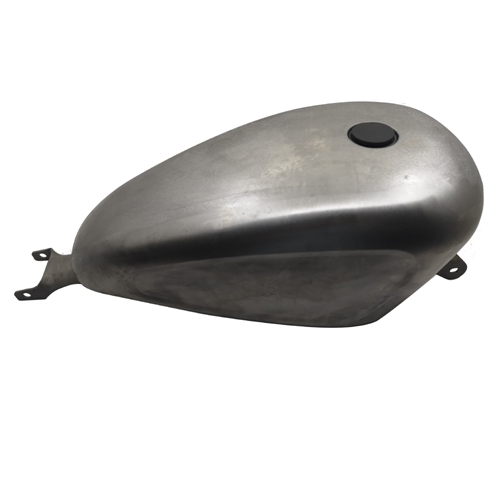
From a buyer’s side, the biggest problem is not whether a tank looks good in one sample. The real problem is whether the tank stays stable across bulk order production. A tank may appear similar from the outside, but once it enters mass supply, weak material control, poor welding, or unstable forming can create leaks, deformation, coating inconsistency, or mounting issues. That is where structural quality becomes critical.
A double wall oil tank is often preferred when the market expects both function and appearance. The outer shell helps create a stronger visual shape and can reduce the chance of surface distortion showing through. The inner section focuses on actual storage and sealing. For distributors and project buyers, this structure can be useful when the product line targets premium aftermarket customers or custom motorcycle applications where both fitment and finish are closely checked.
The first step is to check the product description carefully. If the supplier only talks about shape, paint, or styling, but says nothing about construction, wall thickness, or manufacturing method, buyers should ask further. A serious supplier should be able to explain whether the tank uses single-wall or double-wall construction, what material is used, and how the structure supports durability and sealing.
The second step is to inspect the filler area, bottom section, and edge transitions. In many double-wall designs, the outside shape looks cleaner and more complete because the inner and outer sections are built for different purposes. The filler opening area may also show a more finished design, while the underside often gives clues about how the tank is formed and assembled. Experienced buyers usually pay close attention to weld quality, joint smoothness, and whether the outer appearance seems separate from the internal storage section.
The third step is to ask for production details before placing a bulk order. A reliable supplier should be able to discuss forming, welding, pressure testing, and inspection standards. This is especially important for OEM projects. If a factory can only show nice photos but cannot explain its manufacturing process, that often creates trouble later during approval, shipment, or after-sales support.
The fourth step is to request sample validation from actual use conditions. For many wholesale buyers, the biggest pain point is that a sample looks acceptable, but batch quality changes later. A stable supplier should support fitment checking, leakage testing, and surface consistency review before mass production. That is often more valuable than a low initial price.
Even if a tank is confirmed as a double wall oil tank, that does not automatically mean it is the right product for your program. Buyers should still review material grade, mounting compatibility, tank capacity, welding precision, and finishing quality. These factors directly affect whether the tank works well in restoration, replacement, or customization markets.
For example, our motorcycle tank product line is built around heavy-duty steel construction and is aimed at motorcycle spare parts supply. For buyers working on replacement demand, custom modification programs, or private label development, this kind of product is more meaningful when the supplier can also support drawing review, specification confirmation, and production coordination. That is where a supplier becomes more than just a seller.
Another common buyer concern is consistency in appearance. In the motorcycle parts business, visual defects can create just as many complaints as functional defects. Uneven welding marks, poor edge finishing, or unstable coating quality can reduce perceived value immediately. A stronger tank structure helps, but process control is what protects repeat orders.
Many buyers search how to tell if your oil tank is double-walled because they want a quick answer. In real sourcing, the better question is whether the supplier can give a clear and verifiable answer. A professional factory should not avoid details. It should be able to explain how the tank is made, how it is tested, and what kind of projects it is suitable for.
For OEM / ODM business, this becomes even more important. Buyers may need custom shape adjustment, mounting point confirmation, branding support, or packaging coordination. If the supplier does not understand structural requirements at the start, changes later can become expensive. Delays in tooling, repeated sample revisions, and unstable final assembly are all common pain points in motorcycle parts sourcing.
This is why many serious buyers prefer working with a supplier that understands both manufacturing and aftermarket demand. The value is not only in supplying a tank. The value is in helping reduce errors before production starts.
If you are sourcing motorcycle spare parts, questions about tank structure should always be tied to your actual market goal. Are you buying for replacement distribution, custom builds, restoration, or brand development? Each case needs a slightly different standard. A visually attractive tank may work for some channels, while other channels need stronger emphasis on fitment, pressure resistance, and long-term supply stability.
Our motorcycle tank products are made for this kind of practical demand. They are not just visual accessories. They are parts that need to perform in storage, installation, and daily riding conditions. For buyers handling OEM development, aftermarket programs, or wholesale distribution, it is important to work with a supplier that can communicate clearly on structure, production, and quality control from the beginning.
So, how to tell if your oil tank is double-walled? Start with the structure description, then inspect design details, ask about forming and welding, and confirm testing support before moving into volume production. A double wall oil tank can offer advantages in strength, finish, and market positioning, but only when it comes from a supplier that can keep quality stable from sample to shipment.
If you are reviewing motorcycle tank options and want clearer guidance on structure, fitment, or OEM / ODM supply, send us your drawings, target market, or product requirements. We can help you check the right direction before you commit to production, and we can also support you through sample evaluation and project discussion.
Previous:


 Mobile Phone:
 Phone:
 Contact Now