In many factories, blower systems run day and night. They move large volumes of air for ventilation, material transport, or cooling. At first glance, the system seems simple, but one issue shows up very quickly in real use: noise. Once the blower starts running at full speed, the sound can become sharp, continuous, and difficult to control. Over time, this affects not only the working environment but also overall equipment performance.
This is where a blower silencer becomes necessary. It is not just added for comfort. It helps control airflow noise, protect system stability, and improve long-term operation. For many buyers, choosing the right silencer is part of making sure the whole system works as expected.
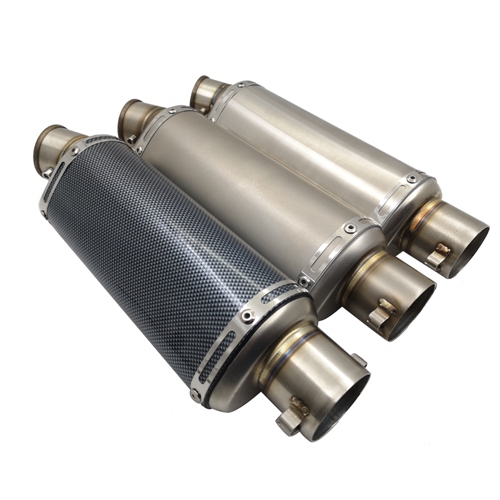
Our product line focuses on this kind of airflow and exhaust control. While the main application on the page is a universal muffler, the design idea is similar: reduce noise while keeping airflow smooth. That is also what most industrial buyers are looking for.
In real production environments, noise is more than just an annoyance. A blower running without proper silencing can create a constant high-frequency sound. This makes communication harder, increases operator fatigue, and can even lead to complaints in certain working environments.
Adding a silencer helps reduce this problem at the source. Instead of letting the airflow noise spread through pipes and open space, the sound is absorbed or weakened inside the silencer structure. This makes the working area more manageable.
Many buyers start looking for a silencer only after the system is already installed and noise becomes a problem. In fact, it is more efficient to consider noise control at the equipment selection stage.
One common concern is whether a silencer will affect airflow. This is a real issue. If the internal design is not balanced, it can create resistance and reduce system efficiency.
A good silencer should reduce noise without blocking airflow. This balance is also important in exhaust mufflers. Our product is designed with an internal structure that keeps airflow relatively smooth while reducing sound. For buyers, this means they do not need to sacrifice performance just to lower noise.
In blower systems, this balance is critical. Too much resistance can increase energy consumption or reduce output, which is something no factory wants.
Blower systems are often used in demanding environments. They may run continuously and deal with heat, moisture, or dust. This means the silencer must be able to handle these conditions without failing too quickly.
Material choice becomes very important here. Our product uses a stainless steel body, which helps resist corrosion and maintain strength during long-term use. For buyers, this is not just about product quality. It is about reducing replacement frequency and keeping maintenance under control.
In large projects or bulk orders, durability has a direct impact on cost over time.
In many projects, installation is not always straightforward. Pipe sizes can vary, layouts are different, and sometimes adjustments are needed on site. A silencer that cannot adapt to these conditions will slow down the whole process.
Our product includes a flexible connection range and installation accessories, which helps it fit into different setups more easily. For B2B buyers, especially distributors or project contractors, this kind of flexibility reduces extra work and speeds up delivery.
This is also why many buyers prefer suppliers who can support customization. It allows them to match the product with different system requirements without redesigning everything.
Blower systems often generate vibration during operation. Over time, this can affect connections, joints, and overall stability. If the silencer is not designed to handle this, it may loosen or wear out faster.
A solid structure helps prevent these issues. Our product is built to handle regular vibration conditions, which supports more stable use. For buyers, this means fewer unexpected problems after installation.
In long-term operation, stability is just as important as performance.
Although blower systems are a common application, silencers like this are used in many other areas. These include ventilation systems, pipeline airflow systems, and various types of industrial equipment.
This is important for buyers who work across different projects. A product that can be used in more than one scenario offers more flexibility and better value.
Our product is also used in exhaust systems where airflow and noise need to be balanced. This makes it suitable not only for one type of equipment, but for a wider range of applications.
For many buyers, choosing a supplier is not only about the product itself. It is also about whether the supplier can handle bulk orders, support customization, and maintain stable quality.
Our production setup supports OEM and ODM orders, which helps meet different project requirements. For buyers working on private label products or customized systems, this kind of support can simplify sourcing and reduce risk.
Reliable supply and consistent quality are often more important than a small price difference.
Blower systems need industrial silencers because noise control, airflow balance, and long-term stability all depend on it. A well-designed silencer helps reduce noise without affecting performance, while also supporting smoother daily operation.
If you are planning a blower system or looking to improve an existing setup, choosing the right silencer is an important step. If you are not sure which type fits your application, you can reach out to us. We can help review your requirements and suggest a more suitable solution based on your actual working conditions.


 Mobile Phone:
 Phone:
 Contact Now