For OEM motorcycle manufacturers, exhaust mufflers are not simple replacement parts. They affect vehicle matching, engine response, sound control, heat management, appearance consistency, and compliance preparation before a model reaches the market.
When an existing supplier cannot deliver stable mufflers that match the complete motorcycle system, production teams face more than a purchasing issue. Fitment problems, unstable acoustic results, unclear exhaust performance, and repeated sample adjustments can delay model development and increase engineering workload. This is why many OEM buyers now review exhaust muffler for motorcycle suppliers with much stricter standards than before.
OEM projects cannot rely on rough fitment. Even a small mismatch in pipe diameter, connection angle, mounting point, or sleeve structure can create installation trouble during assembly.
A muffler that looks acceptable as a standalone component may fail once it is installed on the complete vehicle. For motorcycle factories, this can affect line efficiency, inspection time, and final product consistency.
During mass production, workers need parts that fit smoothly without repeated correction. If bracket position or connection tolerance changes from batch to batch, the assembly line slows down.
For OEM buyers, stable dimensional control is more important than a low quotation. A supplier that cannot keep fitment consistency may create hidden cost across every production batch.
A motorcycle muffler affects how exhaust gas flows through the system. Internal structure, chamber design, outlet size, and material selection can influence back pressure, sound level, and overall engine response.
When suppliers only provide generic mufflers without understanding vehicle requirements, OEM teams may need repeated testing and adjustment before the product can move forward.
Different markets may have different expectations for exhaust noise, emission preparation, and inspection documentation. Motorcycle manufacturers supplying multiple regions need muffler partners that understand these requirements before production begins.
A supplier that cannot support stable exhaust matching may cause project delays, especially when the motorcycle model must pass internal checks or third-party inspection before shipment.
Universal mufflers are often selected because they can support different motorcycle models and modification needs. However, flexibility does not remove the need for consistent manufacturing.
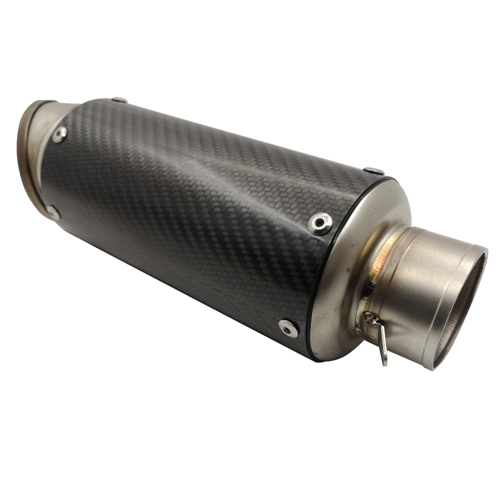
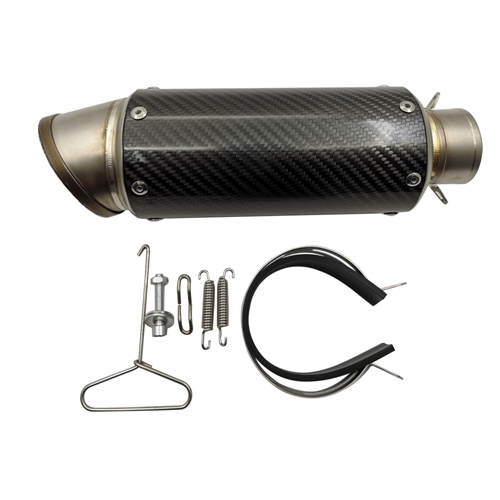
Our 51mm 60mm universal motorcycle exhaust muffler can be reviewed by buyers who need adaptable exhaust options while still paying attention to pipe compatibility, assembly structure, finish consistency, and supply stability.
A sample may fit one test bike, but mass production requires repeatability. Every batch should follow the same basic dimensions, connection structure, and surface treatment expectations.
For OEM manufacturers, this repeatability reduces rework, avoids last-minute assembly issues, and helps engineering teams maintain confidence in the supply plan.
When muffler quality changes between samples and production batches, engineers may need to adjust brackets, modify connection parts, retest sound behavior, or communicate repeatedly with the supplier.
This slows down product development. Instead of focusing on complete vehicle performance, the team spends time correcting component issues that should have been controlled earlier.
A motorcycle factory needs predictable component supply. If mufflers arrive with inconsistent fitment or unclear performance results, production scheduling becomes difficult.
The risk is especially serious when several models share similar exhaust platforms. One unstable component can affect more than one production plan.
Before confirming a supplier, buyers should discuss pipe size, connection type, bracket position, model application, sound expectation, and installation environment.
This helps both sides understand whether the muffler can be adapted to the target motorcycle before larger orders begin.
Surface finish is important, but it is not enough. OEM buyers should also review welding consistency, connection tolerance, internal structure stability, packing protection, and batch inspection process.
For Exhaust Muffler for Motorcycle supply, the key question is whether the supplier can maintain the same standard when order volume increases.
A stronger supplier does not wait until problems appear after delivery. Technical communication should happen before production, especially when the muffler needs to match a specific motorcycle model or export market requirement.
Clear drawings, sample confirmation, installation feedback, and adjustment records can reduce repeated testing and speed up the project timeline.
OEM motorcycle projects often require long-term component availability. Once a muffler is confirmed for one model, the buyer expects stable supply for future production, repair needs, and follow-up orders.
This is why many manufacturers prefer suppliers who can support consistent production instead of only offering short-term low pricing.
A muffler supplier should be evaluated by how well the product supports the complete motorcycle, not only by appearance or unit price.
For OEM manufacturers, better exhaust matching can reduce assembly trouble, lower engineering correction work, and support smoother preparation for different market requirements.
When your team is developing a new model or improving an existing exhaust platform, sharing pipe diameter, mounting position, sound target, application market, and expected order rhythm can make supplier communication much more efficient.
Our team can review these details and help match a more practical Exhaust Muffler for Motorcycle solution for OEM production, modification programs, and long-term parts supply. More Motorcycle Exhaust options and manufacturing information are available through our website at https://www.jiangmenruiyue.com/.


 Mobile Phone:
 Phone:
 Contact Now