A Motorcycle Exhaust pipe is far more than a metal tube that channels exhaust gases away from the engine—it plays a critical role in performance, efficiency, and sound. Building a high-quality exhaust system requires precision engineering, careful material selection, and advanced fabrication processes. In this article, we’ll take a detailed look at how motorcycle exhaust pipes are made, step by step, from design to finishing. We will also highlight how RUIYUE, a professional manufacturer of motorcycle exhaust systems, combines craftsmanship and innovation to produce durable, performance-optimized products for riders worldwide.
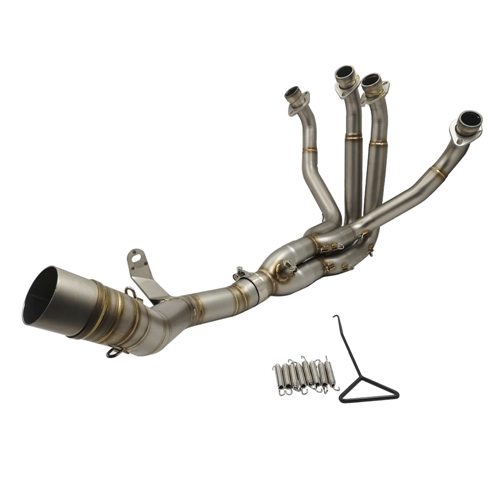
The creation of a motorcycle exhaust pipe begins with engineering design. This stage defines the shape, dimensions, and flow dynamics that will determine the engine’s performance characteristics. The exhaust system must efficiently remove combustion gases while optimizing back pressure and maintaining noise control.
The design process typically involves:
3D modeling and simulation: Engineers use CAD software to visualize exhaust flow, simulate gas pressure, and optimize pipe diameter and curvature.
Acoustic tuning: The internal layout of chambers and perforated tubes is designed to create a balanced exhaust note that meets both performance and noise regulations.
Heat and vibration analysis: Thermal simulation ensures the pipe can withstand extreme temperatures while minimizing vibration resonance.
Vehicle integration: The exhaust must fit perfectly under the motorcycle’s chassis and align with the mounting brackets without obstructing other components.
At RUIYUE, each exhaust design is developed using digital modeling tools combined with real-world testing. The company focuses on achieving ideal gas velocity while reducing overall weight, which contributes to better acceleration and fuel efficiency. Every new exhaust prototype is first validated through flow bench tests and durability trials before moving to mass production.
The performance and longevity of a motorcycle exhaust pipe depend heavily on material choice. The exhaust must resist corrosion, handle high temperatures, and maintain structural strength under pressure. Therefore, only metals with excellent heat resistance and formability are used.
| Material Type | Key Features | Typical Applications |
|---|---|---|
| Stainless Steel (304/409) | Corrosion-resistant, strong, easy to weld | Street and touring motorcycles |
| Titanium | Ultra-lightweight, excellent heat tolerance | Racing and high-performance bikes |
| Carbon Steel | Economical, easy to form, requires coating | Budget or OEM systems |
| Aluminum Alloys | Lightweight but limited heat resistance | muffler shells and end caps |
After selecting the appropriate material, it is cut into sheets or tubes using CNC cutting machines or laser cutters to ensure precise dimensions. The pipes are then cleaned to remove oil, oxide, or dirt that could affect welding quality.
RUIYUE employs high-grade SUS304 stainless steel and titanium alloy materials to ensure each exhaust pipe offers excellent strength, heat resistance, and a sleek finish. Their in-house polishing and cleaning process also enhances corrosion resistance and improves the final surface quality.
The core of exhaust manufacturing lies in pipe forming and welding, where raw tubes are shaped into precise bends and connected into a continuous flow path. This stage requires specialized equipment and skilled craftsmanship.
1. Tube Bending:
Precision CNC mandrel bending machines shape the exhaust tubes to match the designed curvature. Mandrels inside the tube prevent deformation, ensuring smooth internal surfaces for optimal gas flow. Consistency in bend radius and angle is vital for maintaining performance balance across cylinders.
2. Welding and Assembly:
Once the pipes are bent, different sections are welded together using TIG (Tungsten Inert Gas) welding for clean, strong joints. TIG welding provides high precision and excellent corrosion resistance—essential for stainless steel and titanium exhausts.
3. Collector and Flange Installation:
In multi-cylinder engines, exhaust manifolds merge into a collector that combines gas flow from each cylinder. The collector is designed to equalize pressure, improving engine scavenging efficiency. Flanges and mounting brackets are welded next, allowing the exhaust to attach securely to the motorcycle frame.
4. Internal Components (Baffles and Perforated Tubes):
Inside the muffler, perforated tubes and sound-dampening materials (such as fiberglass or ceramic wool) are inserted to absorb noise without restricting airflow. These components are assembled carefully to maintain consistent acoustic performance.
At RUIYUE, advanced robotic welding systems ensure consistent joint strength and precision. Each welded joint undergoes pressure testing and visual inspection to ensure perfect sealing and durability even under continuous high-temperature cycling.
The final appearance and durability of an exhaust system depend on its surface treatment. Exhaust pipes are exposed to heat, moisture, and road debris, making proper finishing essential for both protection and aesthetics.
| Treatment Type | Function | Visual Effect |
|---|---|---|
| Polishing | Removes surface imperfections, improves reflection | Mirror-like shine |
| Brushed Finish | Creates fine, linear texture | Matte metallic look |
| Heat-Resistant Coating | Protects against oxidation and corrosion | Available in black, silver, or gray |
| Chroming or Electroplating | Enhances appearance and corrosion resistance | Glossy, decorative finish |
| Ceramic Coating | Reduces heat radiation and increases lifespan | High-performance matte finish |
The finishing process begins with mechanical polishing to smooth out weld marks and remove oxidation. Afterward, the surface is treated with protective coatings that resist corrosion and thermal stress. For performance bikes, ceramic coating or titanium anodizing is often used to handle extreme heat while adding a distinctive visual effect.
RUIYUE’s production line includes automated polishing and coating systems to achieve a flawless surface finish. Each exhaust passes through a heat resistance test to ensure that the coating or plating remains intact even under prolonged exposure to temperatures exceeding 800°C. The result is a product that performs as beautifully as it looks—durable, sleek, and performance-ready.
Before leaving the factory, every exhaust system must undergo rigorous testing to ensure precision, performance, and compliance with industry standards. This stage ensures that the exhaust not only fits perfectly but also performs consistently under real-world conditions.
1. Assembly and Fitment Testing:
All components—including pipes, mufflers, flanges, and brackets—are assembled and mounted on mock motorcycle frames. This ensures that alignment, clearances, and connection points meet the design specifications.
2. Leak and Pressure Testing:
Air pressure tests are conducted to detect any microscopic leaks at weld seams. Even a small leak can cause noise distortion and reduce engine efficiency.
3. Sound and Flow Testing:
Each exhaust model is tested for decibel levels and gas flow characteristics. Engineers measure back pressure and sound frequency to ensure optimal balance between performance and noise control. For street-legal models, tests confirm compliance with environmental and noise regulations.
4. Final Inspection and Packaging:
Once performance and aesthetic checks are complete, the exhaust pipes are cleaned, labeled, and carefully packed to prevent scratches during transportation.
At RUIYUE, the testing phase is considered the heart of quality assurance. Every exhaust system is evaluated on parameters like weld integrity, flow resistance, temperature endurance, and sound frequency. Only products that meet these stringent standards are approved for shipment to customers and distributors worldwide.
The process of making a motorcycle exhaust pipe is an intricate combination of engineering, craftsmanship, and precision technology. From design and material selection to forming, welding, and finishing, every step contributes to the performance, durability, and appearance of the final product.
RUIYUE stands as a leading manufacturer in this field, offering motorcycle exhaust systems that embody advanced design, flawless welding, and enduring quality. Each product is developed to deliver powerful exhaust flow, elegant design, and long-lasting resistance to heat and corrosion.
Whether for standard road bikes or high-performance racing machines, RUIYUE’s exhaust pipes exemplify the perfect balance of engineering precision and artistic craftsmanship—a true reflection of the innovation that drives the motorcycle industry forward.


 Mobile Phone:
 Phone:
 Contact Now