motorcycle enthusiasts often notice a blue or golden tint forming on their exhaust pipes after several rides. This phenomenon, known as exhaust bluing, is a natural yet sometimes misunderstood occurrence. While some riders consider it a sign of performance, others see it as an unwanted discoloration that spoils the bike’s aesthetic. Understanding what causes bluing helps in preventing damage, maintaining your exhaust’s appearance, and appreciating the science behind it. In this article, we will explore the main reasons for exhaust bluing, how it develops, and how high-quality systems like RUIYUE’s motorcycle exhausts are engineered to resist excessive discoloration while maintaining peak performance.
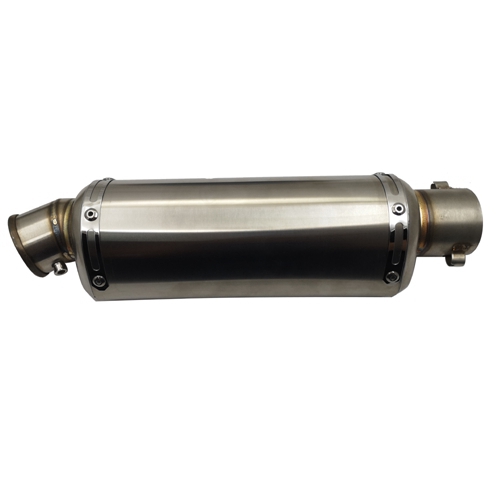
Bluing on Motorcycle Exhaust pipes is primarily caused by heat oxidation—a reaction that occurs when the metal surface is exposed to extreme temperatures and oxygen. As the engine burns fuel, exhaust gases reach temperatures that can exceed 600°C (1110°F). When this heat interacts with the chromium and nickel in stainless steel or chrome-plated pipes, it triggers an oxidation process that changes the color of the surface layer.
The resulting color depends on the specific temperature the metal reaches:
Light gold appears around 200°C to 250°C.
Blue or violet hues form between 300°C and 400°C.
Dark blue to purple occurs beyond 450°C.
Gray or brown discoloration indicates overheating or contamination.
This effect is not paint or residue—it’s a thin oxide film formed chemically on the metal surface. The thickness of the oxide layer determines the wavelength of light reflected, creating the visible color spectrum from gold to blue.
RUIYUE exhaust systems are made from high-grade stainless steel and titanium alloys that have excellent heat resistance. These materials reduce the rate of oxidation and maintain their polished appearance longer compared to low-quality metals. However, some degree of bluing remains inevitable, especially near the exhaust headers where temperatures are highest.
While oxidation explains the “how,” the uneven heat distribution and engine conditions explain the “why.” Different riding styles, engine settings, and environmental factors can cause localized hot spots that intensify bluing.
An overly lean air-fuel ratio—too much air and not enough fuel—causes the engine to run hotter. This increases exhaust gas temperature and accelerates oxidation. Conversely, a rich mixture (more fuel, less air) runs cooler but may lead to carbon buildup.
Extended idling or slow traffic riding generates heat without enough airflow to dissipate it. The headers absorb more heat, resulting in deeper blue coloration near the engine section.
Shorter pipes, smaller diameters, or restrictive bends trap more heat, making certain areas hotter than others. RUIYUE designs its exhausts with optimized pipe curvature and gas flow channels that distribute heat evenly to prevent localized overheating.
Incorrect ignition timing or tight valve clearance can cause incomplete combustion, sending unburned fuel into the exhaust where it ignites again. This “afterburning” effect spikes exhaust temperature, intensifying color change.
Ambient temperature, altitude, and humidity affect engine efficiency and heat dispersion. Riders in hot climates or at higher altitudes often notice faster discoloration due to reduced cooling capacity.
In essence, bluing is not just cosmetic—it often reveals thermal patterns that can help diagnose engine tuning or performance issues. Proper calibration ensures both smooth performance and reduced surface oxidation.
Not all exhaust systems react to heat in the same way. The type of material, surface finish, and manufacturing precision play key roles in how visible and rapid the bluing process becomes.
Chrome-Plated Steel: Prone to noticeable bluing since the thin chrome layer oxidizes quickly when heated.
Stainless Steel: More resistant due to higher chromium content that forms a protective oxide barrier.
Titanium: Displays color variation naturally but resists corrosion and maintains strength at extreme temperatures.
Mild Steel: Heats unevenly and corrodes faster, often leading to dark brown spots instead of blue.
RUIYUE uses premium SUS304 stainless steel and titanium alloys, selected for their heat stability and oxidation resistance. These materials minimize surface reaction even during extended high-speed riding.
Polished or mirror-finished surfaces reflect heat better and oxidize more slowly than brushed or rough finishes. RUIYUE’s manufacturing process includes multi-stage polishing and anti-oxidation treatment, which enhances heat dissipation and prolongs the shine of the exhaust.
Poorly executed welds can create micro-gaps or stress zones that trap heat, leading to concentrated blue spots. Precision TIG welding, a hallmark of RUIYUE’s craftsmanship, ensures smooth joints with consistent thickness, preventing uneven heating and discoloration.
Thicker pipes absorb and distribute heat more evenly, while thinner materials heat up rapidly. RUIYUE balances thickness to achieve both lightweight structure and thermal durability, reducing localized overheating while optimizing sound and flow.
High-quality construction not only enhances performance but also slows down the visual effects of bluing—proof that advanced engineering directly influences both function and appearance.
While bluing can’t always be fully avoided, proper maintenance and correct riding habits can minimize discoloration and preserve the appearance of your exhaust pipes.
Ensure the air-fuel ratio and ignition timing are correctly adjusted. Regular maintenance reduces excessive heat buildup and prevents hot spots that accelerate oxidation. A well-tuned engine runs smoother and cooler.
Prolonged idling creates unnecessary heat accumulation in the headers. Try to keep the engine running only when necessary, especially in congested traffic.
Applying heat-resistant wraps or shields can lower surface temperature and reduce direct oxidation. However, these should be installed carefully to avoid moisture trapping, which can cause rust underneath.
Investing in premium exhausts like RUIYUE’s stainless steel and titanium models ensures better heat tolerance and reduced color change over time. Their high-temperature polishing and surface coating offer long-lasting protection.
Residue such as oil, fuel, or fingerprints can accelerate discoloration when exposed to heat. Before and after rides, clean the pipes with a non-abrasive metal cleaner to remove contaminants.
| Cleaning Tip | Description |
|---|---|
| Use Metal Polish | Apply a small amount of stainless-steel or chrome polish to restore shine. |
| Avoid Harsh Abrasives | Coarse materials can scratch the surface and worsen oxidation. |
| Wipe When Cool | Cleaning hot metal may cause streaking or burn marks. |
Even with care, mild bluing is natural and sometimes even desirable—it shows that the exhaust has been heat-cycled properly. However, if discoloration becomes patchy, dark brown, or black, it may indicate excessive heat or tuning issues that need professional inspection.
Beyond its chemical cause, exhaust bluing has also become an aesthetic feature appreciated by many riders. In the world of custom motorcycles and racing, a gradient of gold and blue on polished pipes signifies high performance and authenticity. Each pattern tells a story of heat cycles, throttle response, and road experience.
From an engineering standpoint, a certain level of bluing can actually indicate healthy exhaust gas flow. The uniformity and symmetry of the color reveal balanced heat distribution across cylinders—a mark of quality in both design and engine tuning.
RUIYUE, as a leading manufacturer of motorcycle exhaust systems, embraces this relationship between performance and aesthetics. By using advanced forming, welding, and surface treatment technologies, RUIYUE ensures that even when their exhaust pipes develop natural bluing, the result is smooth, even, and visually appealing rather than patchy or corroded. Their exhausts are built not only for efficiency but also to age gracefully under real riding conditions.
Ultimately, while some riders may polish away every trace of blue, others see it as a badge of character—a visible reminder that their motorcycle has been pushed, heated, and truly ridden.
Bluing on motorcycle exhaust pipes is a result of heat oxidation, a natural reaction between high temperature, metal composition, and oxygen. While it can indicate heat concentration or engine tuning conditions, it is often harmless and purely cosmetic. Factors such as air-fuel balance, material type, and manufacturing quality all influence how and where the color appears.
RUIYUE’s motorcycle exhaust systems are built to manage heat efficiently and resist excessive discoloration, thanks to precision engineering and high-quality stainless steel or titanium materials. Whether you prefer to maintain a mirror-polished finish or proudly display a blue patina earned through miles of riding, RUIYUE exhausts ensure durability, performance, and visual appeal in every condition.

 Mobile Phone:
 Phone:
 Contact Now