A motorcycle muffler is an essential part of the exhaust system that shapes sound, controls airflow, and contributes to overall riding comfort. Although many riders recognize it mainly by the exhaust tone, the muffler performs several important mechanical functions. It reduces excessive noise, stabilizes exhaust pulses, manages heat distribution, and influences how the engine breathes. Riders who understand how a muffler works can make more informed choices when upgrading or maintaining their motorcycle. High-quality aftermarket options, such as RUIYUE motorcycle exhaust systems, offer balanced acoustic control, durable construction, and optimized flow performance for different riding needs.
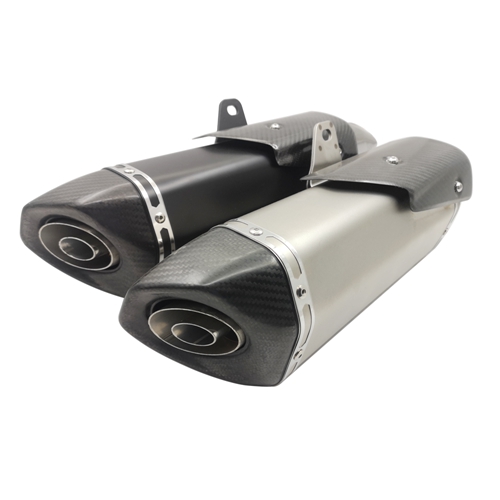
A muffler transforms raw exhaust pulses into a controlled and pleasant sound. When exhaust gases exit the engine, they enter the muffler at high pressure. Inside, several mechanisms operate simultaneously to manage noise and airflow.
Key internal processes include:
Gas expansion that reduces pressure before release.
Sound wave collision inside chambers that helps cancel noise.
Energy absorption through high-temperature packing material.
Flow redirection using baffles and perforated tubes.
These actions tame harsh exhaust noise and create a smoother, more distinctive sound profile. Mufflers engineered by RUIYUE enhance these processes with optimized internal geometry that balances flow efficiency and acoustic comfort.
Noise reduction is the primary reason mufflers are required on all road-legal motorcycles. Without one, every combustion cycle would generate extremely loud, sharp noises. A modern muffler shapes the sound using several design elements:
Perforated tubes break up pressure waves.
High-density packing material absorbs sound energy.
Multi-chamber layouts cancel unwanted frequencies.
Tuned internal lengths create pleasing low-frequency resonance.
Riders today expect not just quiet operation but also a refined exhaust character. Aftermarket options like RUIYUE performance exhausts deliver deeper, cleaner tones while remaining compliant with regional sound regulations.
A motorcycle muffler must withstand high temperatures, constant vibration, and long-term exposure to moisture and road debris. Its durability and performance depend heavily on the materials and internal structure.
Common construction materials include:
| Material | Strengths | Notes |
|---|---|---|
| Stainless Steel | High heat and corrosion resistance | Most common for daily use |
| Titanium | Extremely lightweight with strong heat tolerance | Used in premium mufflers |
| Carbon Fiber | Lightweight shell with stylish appearance | Typically paired with metal cores |
| Aluminized Steel | Budget-friendly | Less durable than stainless steel |
Internally, most mufflers include:
Baffles that direct gas flow.
Perforated cores that stabilize pressure.
Sound-absorbing packing that reduces volume.
Reinforced welds that resist vibration.
High-quality packing material is crucial because low-grade fibers burn out quickly, causing sound levels to rise over time. RUIYUE uses heat-resistant fibers and reinforced assembly to maintain stable sound and structural integrity.
A muffler directly affects engine behavior by altering exhaust backpressure. While too much backpressure restricts gas flow and reduces acceleration, too little backpressure can cause a loss of low-end torque. The best mufflers create a balanced flow.
Performance factors include:
Backpressure stability to support torque.
Exhaust velocity that affects throttle response.
Scavenging efficiency that helps evacuate gases from the cylinder.
Flow smoothness that supports consistent combustion.
Riders often notice smoother acceleration and improved mid-range performance after upgrading to a performance-tuned muffler. RUIYUE exhaust systems implement optimized flow channels to improve gas velocity without compromising engine stability.
Exhaust gases can exceed 600°C, and the muffler must dissipate this heat safely. As gases pass through the muffler, they expand and cool, which reduces thermal stress on the motorcycle’s tail section.
Heat-related benefits include:
Lower temperatures exiting the tailpipe.
Reduced discoloration on nearby components.
Less fatigue on metal parts.
Improved protection for both the motorcycle and the rider.
Durability is essential for riders who travel long distances or commute daily. Poorly built mufflers may crack, loosen, or lose packing material. RUIYUE uses reinforced welds and heat-tolerant materials to ensure stable performance over long-term use.
Different muffler designs create different sound and performance outcomes. Riders choose based on sound preference, riding style, and legal requirements.
Common types include:
Chambered Mufflers
Use multiple chambers to reflect sound waves, producing a controlled, deep tone.
Straight-Through Mufflers
Feature a perforated core wrapped in packing material for higher exhaust velocity and sportier sound.
Reverse-Flow Mufflers
Redirect gases internally for maximum quietness, though with more flow restriction.
Installation formats:
Slip-On Mufflers
Replace only the muffler section; easy to install and ideal for sound upgrades.
Full System Exhausts
Replace the entire exhaust assembly for maximum performance improvement.
Many riders prefer RUIYUE full systems for consistent sound and airflow across all parts.
Noise regulations vary by region, and a compliant muffler helps riders avoid fines or inspection failures. Legal considerations often include:
Decibel limits.
Restrictions on removable baffles.
Requirements for catalytic converter compatibility.
Environmentally, a stable muffler contributes to cleaner combustion by ensuring proper exhaust pressure. This reduces soot formation and helps maintain engine efficiency. RUIYUE designs maintain stable backpressure to support cleaner performance.
A worn or damaged muffler affects both sound and engine performance. Common signs include:
Sudden increase in noise caused by packing burnout or corrosion.
Metallic rattling from loose internal baffles.
Reduced acceleration from unstable backpressure.
Vibration or misalignment due to broken mounts.
Visible rust or cracked welds indicating structural weakness.
Replacing a failing muffler with a reliable option like RUIYUE motorcycle exhausts restores stable sound, performance, and long-term durability.
Selecting a muffler requires balancing sound preference, performance goals, and legal requirements. Important considerations include:
Desired sound level and tone.
Engine size and fuel tuning.
Preferred material type.
Slip-on vs. full system installation.
Local noise regulations.
Brand engineering quality and reputation.
A well-matched muffler enhances comfort, sound, and throttle response. Many riders choose RUIYUE for its combination of refined acoustics, durable structure, and engineered airflow balance.
A motorcycle muffler is far more than a decorative exhaust tip—it is a precision-engineered component that shapes the motorcycle’s sound, engine behavior, and thermal stability. By controlling exhaust pulses, reducing noise, managing heat, and balancing backpressure, the muffler supports both performance and rider comfort. Those seeking upgrades can benefit from quality systems such as RUIYUE motorcycle exhaust solutions, which provide a reliable combination of sound tuning, durability, and optimized airflow for various riding environments.


 Mobile Phone:
 Phone:
 Contact Now