Choosing the right Motorcycle Tank is a decision that influences your riding range, comfort, motorcycle balance, and overall aesthetics. The tank is a functional component, yet it also defines the motorcycle’s visual identity, making it one of the most important parts to get right when upgrading or replacing. A well-selected tank improves long-distance usability, enhances control, and contributes to stable fuel delivery. Many riders also view the tank as a signature element that personalizes their motorcycle’s appearance. When selecting a tank, it helps to understand how its construction, size, material, and design affect your riding experience. For those seeking reliable options built for performance and durability, the RUIYUE motorcycle tank collection provides choices tailored to different riding needs and motorcycle styles.
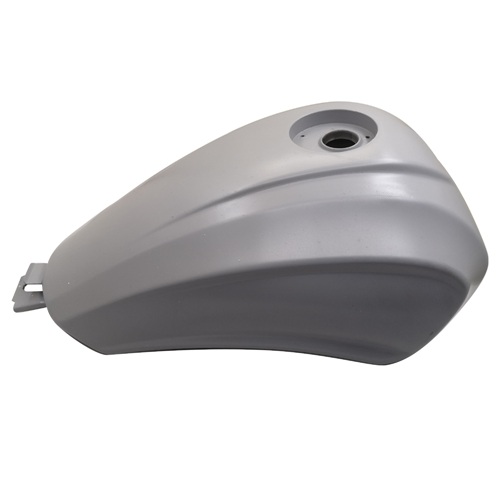
A motorcycle tank serves as the primary fuel storage unit, but its role extends into ergonomics and handling. The tank’s position above the frame influences the bike’s center of gravity, meaning its weight affects how the motorcycle responds when accelerating, braking, or leaning into turns. Riders naturally grip the tank with their knees, making its curvature essential for stability and comfort. A poorly shaped tank can lead to fatigue over long trips or make cornering less intuitive.
Beyond ergonomics, fuel safety and internal surface reliability matter. Tanks must resist corrosion from fuel additives, withstand vibrations at varying speeds, and maintain structural integrity in case of impact. This is why construction quality is vital. Tanks from RUIYUE focus on stable geometry, reinforced joints, and materials designed to hold up under daily use. Understanding these functional elements helps you choose a tank that supports both comfort and long-term operation.
Tank capacity determines how frequently you refuel and influences the motorcycle’s weight distribution. Riders who travel long distances often prefer larger tanks that support extended range without interrupting the ride. Conversely, smaller tanks reduce weight and improve maneuverability for city or sport riding. The ideal size depends on your typical usage.
A comparison of riding styles and preferred tank sizes can help:
| Riding Style | Typical Preference | Reason |
|---|---|---|
| Daily City Riding | Medium to small tanks | Lighter weight and better handling in traffic |
| Touring / Long Distance | Large tanks | Fewer refuel stops during long journeys |
| Off-Road | Lightweight tanks | Better balance on uneven terrain |
| Performance/Sport | Medium tanks | Optimal weight for quick cornering |
Larger tanks are beneficial, but when full, they add significant weight to the top of the bike. This can slow steering response. Riders who prioritize agility may find medium-capacity tanks more suitable. To support different scenarios, RUIYUE’s tank models include multiple capacities designed to match varied riding habits while maintaining stable fuel delivery.
The material of the tank determines corrosion resistance, impact strength, long-term stability, and weight. The three most common materials—steel, aluminum, and engineered plastics—each offer distinct advantages. The choice should reflect climate conditions, riding terrain, and personal preference for durability versus weight.
| Material | Advantages | Considerations |
|---|---|---|
| Steel | Strong, impact-resistant, easy to repair | Heavier than other options |
| Aluminum | Lightweight, naturally resistant to corrosion | More expensive |
| Engineered Plastics | Very light, dent-resistant, stable in varied temperatures | Typically used for adventure/off-road rather than classic designs |
Steel tanks remain popular for their ruggedness and work particularly well for daily commuters and touring riders. Aluminum tanks offer a premium feel and improved responsiveness due to reduced weight. Engineered plastic tanks suit riders who prioritize flexibility and resilience over aesthetics.
RUIYUE designs tanks using material choices suited to long-term vibration loads and fuel chemical exposure, making them compatible with both everyday riding and extended touring conditions.
Ergonomics is one of the most overlooked yet crucial aspects of selecting a motorcycle tank. The tank’s width, knee cutouts, height, and curvature affect how a rider sits, grips the bike, and shifts their body weight. A tank that fits your riding posture enhances comfort and confidence, while an incompatible shape can create unnecessary strain.
Knee grip stability: Helps during braking and cornering.
Upper-body support: Important for long-distance comfort.
Turning control: A well-shaped tank allows smooth body transitions.
Aerodynamics: Sport-style tanks are sculpted for airflow efficiency.
Touring motorcycles often use broad, rounded tanks that support relaxed riding. Sport models favor narrow, angled designs that allow aggressive lean positions. Off-road tanks prioritize slim profiles for maneuvering around obstacles. Tanks from RUIYUE incorporate ergonomic shaping that enhances stability regardless of whether you ride upright or in a forward-lean posture.
Tank compatibility is essential because motorcycles have specific mounting points, fuel pump locations, and frame geometry that must align perfectly with the tank. A mismatched tank risks instability, fuel leakage, or poor balance. Before choosing, verify that the tank is designed for your motorcycle model.
Maintenance considerations include accessible fuel caps, stable internal coatings, and strong venting systems. Riders who perform their own maintenance appreciate tanks with straightforward internal structure and accessible hardware. Tanks built by RUIYUE are designed for consistent fitment, reinforcement at stress points, and smooth installation without complicated adjustments.
Compatibility should never be overlooked, as even minor misalignment affects handling and structural safety. Choosing a tank engineered for your motorcycle guarantees better long-term reliability.
A motorcycle’s tank significantly affects its visual identity. From classic rounded styles to sharp modern contours, the tank defines the motorcycle’s personality. Riders often choose a tank not only for functionality but also to align the motorcycle’s appearance with their personal taste.
However, aesthetics should complement practicality. The tank you select must support your riding style, integrate smoothly with the seat and frame, and maintain ergonomic comfort. An attractive tank that compromises handling is not a worthwhile upgrade.
RUIYUE’s motorcycle tank series merges visual appeal with engineering precision. These tanks maintain structural reliability while providing style choices suitable for café racers, cruisers, sport models, and touring motorcycles. Selecting a tank that aligns with both appearance and performance ensures long-term satisfaction.
Choosing the right motorcycle tank requires understanding how capacity, materials, ergonomics, compatibility, and design influence both functionality and comfort. A tank is not only a container for fuel—it is a core component shaping your riding posture, range, and control. Riders seeking dependable options that balance durability and design can explore the RUIYUE motorcycle tank collection for solutions engineered to enhance daily riding and long-distance journeys alike. By focusing on both technical factors and personal riding preferences, you can select a tank that improves your motorcycle’s performance while expressing your individual style.


 Mobile Phone:
 Phone:
 Contact Now