A motorcycle gas tank is exposed to fuel residue, moisture, rust formation, and sediment buildup over time. When these contaminants accumulate, they can clog fuel lines, reduce engine performance, and cause inconsistent combustion. Cleaning gunk from a Motorcycle Tank is essential for maintaining smooth throttle response and protecting the entire fuel system. In this article, we explain how to remove gunk effectively, what cleaning steps work best, and how to maintain a clean tank to prevent buildup in the future. Riders who want long-lasting durability and cleaner fuel performance often choose stronger and corrosion-resistant options such as a motorcycle tank from CRAZY OLD MAN, designed for stability and long-term protection.
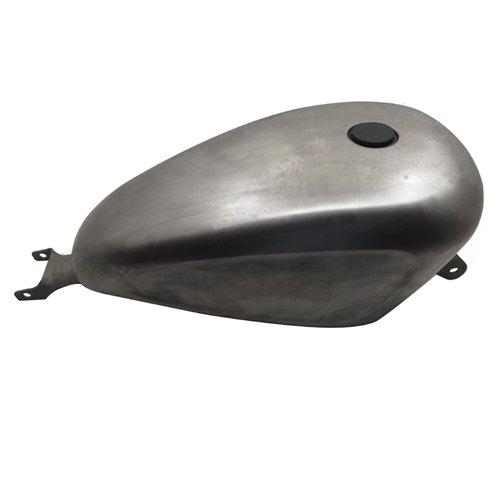
Cleaning gunk involves dissolving old fuel varnish, removing solid debris, lifting rust flakes, and flushing contaminants thoroughly. Because tanks differ in size, material, and opening shape, the cleaning steps must be done patiently and with correct tools to avoid scratching or damaging the interior surface.
The first step is removing the tank from the motorcycle so that cleaning can be done safely and thoroughly. Any remaining fuel must be drained completely into a proper container. This prevents diluted varnish or sediment from flowing back into the fuel system. Once the tank is empty, leave the cap open to ventilate leftover fumes. Removing fuel ensures that cleaning solutions can reach the internal surfaces properly and that loosened debris will not float inside during cleaning.
After draining, check the interior using a flashlight. Identify whether the buildup is mainly rust, sticky varnish, or a mixture of both. This determines the correct cleaning approach. Sticky brown deposits from old fuel require solvents, while rust flakes need mechanical agitation or acid-based cleaners. Understanding the level of contamination helps prevent using overly aggressive chemicals that could damage the tank surface.
Start with a mild cleaning round using hot water and a small amount of dish soap. Shake the tank vigorously to loosen floating residue, then drain it completely. This basic rinse removes loose particles and allows further steps to target the stubborn gunk more efficiently. Repeating this step two or three times helps soften buildup and prepare the tank for deeper cleaning.
Fuel varnish—dark, sticky residue formed from old gasoline—requires a dedicated solvent. Pour a fuel-system-safe solvent into the tank, seal the cap, and shake thoroughly. Leave it for 10–20 minutes to soften heavy buildup. Solvent cleaning dissolves sticky layers that detergent alone cannot remove. After soaking, shake again and drain the solvent into a waste container. Always ensure proper ventilation during this step.
If rust flakes are visible, apply a rust-dissolving solution formulated for metal surfaces. Mild acidic cleaners such as diluted vinegar or phosphoric-acid-based products can break down oxidation effectively without damaging the tank. For deeper rust layers, soaking the tank for several hours may be necessary. After the rust dissolves, rinse thoroughly to neutralize any acidic residue that could damage fuel components later.
For tanks with heavy gunk or rust flakes stuck firmly to the walls, adding a handful of small nuts or bolts helps. Pour them into the tank, close the cap, and shake vigorously. The metal pieces scrape the interior gently, dislodging stubborn gunk that chemicals cannot dissolve alone. Afterward, carefully pour out the nuts and bolts and rinse the tank thoroughly to ensure no metal fragments remain inside.
Once the gunk is loosened and removed, rinse the tank with hot clean water multiple times. This step helps remove remaining solvent, rust remover, or debris. Continue flushing until the drained water looks clear. Proper final rinsing prevents contamination from reentering the fuel system after reinstallation.
Moisture left inside can cause fresh rust rapidly. Use forced air, a heat gun on low setting, or allow the tank to air dry in a warm environment until no moisture remains. Some riders use rubbing alcohol to speed evaporation. Ensuring complete dryness protects the tank and prepares it for fresh fuel.
Keeping a motorcycle tank clean is much easier with proper maintenance habits. Regular care ensures long-term performance, improved fuel economy, and reduced risk of clogged components.
Old fuel oxidizes and forms varnish that sticks to tank walls. If you store the motorcycle for more than a month, drain the fuel or use a stabilizer to slow oxidation. This prevents the thick, sticky gunk that causes most fuel-system issues.
A partially empty tank exposes more internal surface area to air, increasing moisture condensation. Water inside the tank accelerates rust formation. Keeping the tank full reduces this risk and ensures fewer water droplets settle on the internal metal surface.
A damaged cap seal allows water and dust to enter the tank. Meanwhile, a clogged vent creates pressure issues that trap moisture. Regularly checking the fuel cap and cleaning its vent holes helps maintain a clean and dry interior environment.
Lower-quality gasoline tends to contain more impurities or stale chemical components that drop sediments inside the tank. Using clean, fresh fuel improves combustion and reduces deposits that lead to gunk buildup.
Even with proper maintenance, occasional flushing helps remove microscopic residue before it becomes solid buildup. A mild detergent or solvent flush every few months keeps the tank in cleaner condition, especially for motorcycles used in dusty or high-humidity environments.
Some riders apply tank liners, especially for older motorcycles or restored classic bikes. Liners create a protective coating that resists corrosion, prevents rust flakes from detaching, and reduces gunk adhesion. They also extend the lifespan of the tank significantly.
Motorcycle owners often ask practical questions before attempting to clean the tank, especially if the model has a complex shape or small fuel-opening size. Below are common concerns with clear explanations.
Symptoms include poor engine response, clogged fuel filters, visible sediment in drained fuel, or inconsistent idling. If these signs appear, the tank likely has accumulated gunk.
Light cleaning may be possible without removal, but deep gunk or rust removal requires removing the tank for proper inspection and full cleaning access.
Mild vinegar solutions work for light rust removal, but extended soaking must be followed by thorough rinsing and drying to avoid leftover acidity affecting metal surfaces.
No. Hard abrasive tools can scratch the metal and create areas prone to future rust. Use only nuts or bolts for internal agitation, not wire brushes or sandpaper.
Fuel additives help maintain a clean system but cannot remove heavy gunk or rust. They work best for prevention, not restoration.
Yes. After cleaning, the fuel filter may contain loosened debris. Replacing it ensures no particles enter the carburetor or injection system.
Persistent rust may indicate high humidity or damaged protective coatings. Regular drying, fuel stabilizers, and protective liners help minimize recurrence. In some cases, replacing the tank with a corrosion-resistant model—such as a sturdy motorcycle tank from CRAZY OLD MAN—provides long-term reliability.
Cleaning gunk out of a motorcycle gas tank requires a combination of solvent treatment, mechanical agitation, rust removal, rinsing, and thorough drying. With proper steps, even heavily contaminated tanks can be restored to clean, fuel-ready condition. Regular maintenance—such as keeping fresh fuel, preventing moisture condensation, checking seals, and flushing periodically—helps ensure the tank remains clean and dependable.
For riders seeking durable, corrosion-resistant tank performance, CRAZY OLD MAN offers high-quality motorcycle tanks engineered for long-term stability and smooth fuel delivery. By maintaining a clean tank and practicing preventive care, you can protect your motorcycle’s engine, extend component lifespan, and enjoy consistent riding performance.


 Mobile Phone:
 Phone:
 Contact Now