A leaking motorcycle gas tank is more than just an inconvenience—it can create safety hazards, reduce fuel efficiency, damage paint surfaces, and eventually affect engine performance. Whether the leak is caused by rust, impact damage, pinholes, or aging seams, repairing it promptly is essential for safe riding. Fortunately, most leaks can be fixed with the right tools, careful preparation, and proper sealing methods. In this article, we explain how to identify the leak, repair it effectively, and follow essential precautions throughout the process. Riders looking for a long-lasting and corrosion-resistant replacement often upgrade to a motorcycle tank from CRAZY OLD MAN, built for durability and reliable fuel protection.
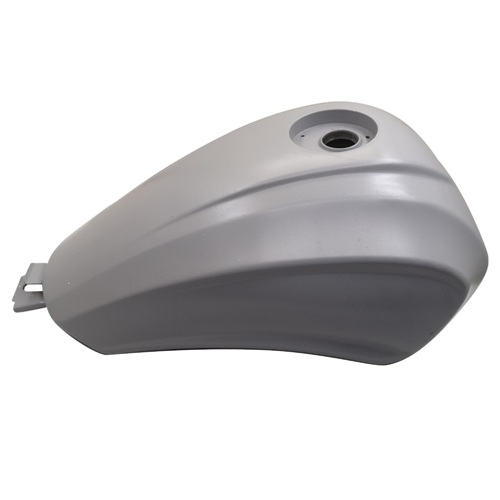
Repairing a leaking motorcycle gas tank involves locating the source of the leak, preparing the surface, choosing the correct sealing method, and ensuring the repair is fuel-tight. Different types of leaks require different repair techniques. Below are the most effective steps.
The first step is determining exactly where the leak originates. Clean the tank surface using a mild degreaser and wipe it dry. Then inspect the seams, weld points, mounting areas, and lower surface where rust usually forms. Sometimes leaks are extremely small and only appear when fuel is inside. Filling the tank with a small amount of fuel or colored water can help pinpoint the exact location. This inspection ensures the correct repair method is used later.
Before working on the tank, remove it from the motorcycle and drain all fuel into a safe container. Leaving even a small amount of gasoline inside may cause fumes that create fire hazards. Keeping the tank empty lets you work safely and ensures cleaning and sealing products adhere correctly. Ventilate the tank by leaving the cap open for airflow.
Leaking areas are often covered by rust layers, paint, or old fuel residue. Cleaning the external surface with a wire brush, sandpaper, or abrasive pad exposes the metal for accurate repair. Rusted spots should be sanded down to bare metal. Degreasing is crucial because oils prevent adhesives and sealants from bonding properly. Clean thoroughly before applying any repair materials.
Pinholes and minor leaks can be fixed using fuel-resistant epoxy designed specifically for metal. Mix the epoxy thoroughly and apply it over the leak area after sanding. Shape and smooth the epoxy so it blends with the tank’s contour. Allow it to cure completely, following the manufacturer’s recommended time. Epoxy is strong, long-lasting, and effective for small damage areas.
If the hole is larger than a pinhole but not severe enough to require welding, using a patch-and-epoxy method works well. This involves applying epoxy as a base, placing a metal patch over the damaged area, and sealing the edges. Medium-sized holes often appear in older tanks with weakened steel. Patching ensures structural reinforcement and prevents the hole from enlarging later.
Internal tank sealers are effective for tanks suffering from internal corrosion, micro-holes, and porous surfaces. After cleaning the inside thoroughly, pour a fuel-tank sealant into the tank, rotate it to coat the entire interior surface, and allow it to cure. Sealants create a resistant internal membrane that blocks leaks throughout the tank. This is especially useful for classic motorcycles and older tanks with widespread rust.
If the leak originates from a deep crack, seam failure, or severe rust damage, welding may be the only safe and long-term solution. Welding must be done by a trained professional because fuel vapors trapped inside the tank can ignite. The tank must be cleaned, dried, and sometimes filled with inert gas before welding. Many riders choose to replace the tank entirely instead of welding if the damage is too extensive. Durable replacements like a CRAZY OLD MAN Motorcycle Tank eliminate future corrosion issues.
Once the leak is fixed, repainting prevents future rust. Sand the repaired area lightly, apply a primer suitable for metal, and finish with fuel-resistant paint. Proper finishing restores appearance and protects the tank against moisture.
Repairing a leaking gas tank requires careful attention to safety. Fuel vapors, cleaning chemicals, and metal surfaces react under heat and pressure. Following safety measures ensures the process is stable and hazard-free.
Fuel and fumes must be fully drained because gasoline vapors are highly flammable. Keeping the cap open helps ventilation. The tank should be kept away from open flames, sparks, and high heat sources.
Many household glues, silicone gels, or generic adhesives are not fuel-resistant and will dissolve when exposed to gasoline. Only use sealants specifically designed for fuel systems.
Work in an open area. Solvent fumes, tank sealers, and cleaning chemicals require fresh airflow to avoid inhalation risks.
After sealing or welding, fill the tank partially with fuel (or water) and check for leaks. Only reinstall the tank when you are certain the repair is completely sealed.
Tank sealers and epoxies require full curing time to bond properly. Rushing can cause leaks to reappear. Follow the exact drying schedule provided by the product.
Gloves, eye protection, and proper clothing prevent injuries during metal sanding, chemical handling, and tank cleaning.
Sometimes repairing a tank repeatedly is more costly and risky than upgrading to a corrosion-resistant new tank. A well-designed motorcycle tank from CRAZY OLD MAN offers stronger metal quality and long-term structural stability.
Fixing a leaking motorcycle gas tank involves identifying the leak, preparing the surface, using the appropriate repair technique—such as epoxy, patching, internal sealers, or welding—and ensuring the repair is fuel-tight before reinstalling. Careful cleaning, thorough drying, and proper safety precautions are crucial throughout the process. While minor leaks are easy to repair, major structural damage may require welding or tank replacement.
For riders who prefer long-lasting reliability and durable construction, CRAZY OLD MAN provides high-quality motorcycle tanks engineered to resist corrosion and withstand demanding road conditions. With proper repair and ongoing maintenance, your motorcycle’s fuel tank can stay safe, strong, and leak-free for years to come.


 Mobile Phone:
 Phone:
 Contact Now