Painting a motorcycle gas tank is one of the most effective ways to refresh the look of a bike, enhance its style, and protect the tank surface from long-term environmental wear. Whether you are restoring a classic motorcycle or customizing a new build, a properly prepared and painted tank improves both aesthetics and durability. This guide explains the full process in a structured, SEO-friendly format, helping beginners and experienced builders achieve clean, professional results.
In addition, if you need high-quality replacement tanks or pre-finished units, RUIYUE provides durable, well-crafted options such as the motorcycle tank series, engineered for long-term performance and precise fitment.
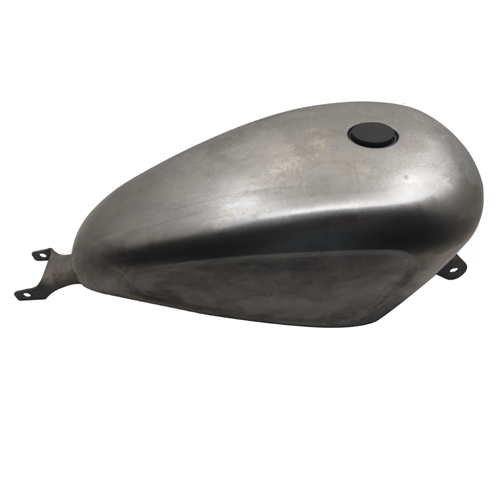
Painting a Motorcycle Tank is not only a cosmetic upgrade. The paint layer acts as a protective barrier against UV exposure, rain, chemicals, and daily abrasion. It also seals minor imperfections and prevents corrosion on metal tanks. Riders who want complete customization often choose unique color schemes, vintage patterns, or racing stripes, making the tank the focal point of the motorcycle’s design.
Before painting begins, understanding material type is essential. Steel, aluminum, and plastic motorcycle tanks require different preparation procedures. Some aftermarket tanks, including those from RUIYUE, come with consistent material thickness and smooth base finishes, offering a stable foundation for painting. When the tank surface is uniform and structurally solid, the painting process becomes significantly easier and results in a more durable finish.
Surface preparation is the most critical stage. A well-prepared tank ensures that primer and paint layers bond correctly. The preparation process involves several careful steps that should be executed methodically.
Remove the tank from the motorcycle.
Disconnect fuel lines, remove mounting bolts, and drain fuel completely. This prevents any fire hazards or solvent contamination during painting.
Strip old paint or coatings.
Chemical paint strippers, sanding, or media blasting can be used depending on tank condition. Sanding is the most commonly used method because it avoids harsh chemical residues.
Degrease the surface thoroughly.
Use alcohol or degreasing solvents to remove fuel residue, fingerprints, and oils that may interfere with paint adhesion.
Repair dents or imperfections.
Apply body filler to dents and sand them smooth. Uneven surfaces show through topcoats, so proper shaping is essential.
Sanding progression.
Begin with coarse grit (180 to 220), then move to finer grit (400 to 600) until the tank surface is uniform and free of scratches.
High-end tanks like those in the RUIYUE motorcycle tank collection are manufactured with precise contours and consistent thickness, which reduces the amount of surface correction required during preparation.
A primer layer increases paint adhesion and protects bare metal from rust. It also creates a smooth base for the color coat. The priming process must be completed in a clean environment to avoid dust or moisture contamination.
Use an automotive-grade etching primer for metal tanks, as it bonds deeply to steel or aluminum.
Apply multiple thin coats rather than one thick coat to avoid runs or uneven buildup.
Allow each coat to dry fully before applying the next layer.
Lightly sand the final primer layer with 600-grit sandpaper for a smooth finish.
Priming is especially important on tanks that have been repaired or sanded down to bare metal. If using an OEM-style fuel tank such as those produced by RUIYUE, the surface typically requires less corrective work, making the priming phase easier and more efficient.
Selecting a color depends on the overall motorcycle styling—gloss black, metallic red, matte gray, and custom effects are common choices. Automotive paints designed for fuel resistance and UV stability are recommended.
Unlike household coatings, automotive paint must be sprayed evenly with controlled airflow and distance. Painting outdoors may introduce dust or wind disturbances, so indoor spraying or a ventilated booth produces better results.
Maintain a consistent spray distance, usually 15–20 cm from the tank surface.
Overlap passes by 30–50 percent to avoid striping.
Apply 2–4 thin coats, allowing each to flash dry before the next coat.
Avoid heavy coats that may cause drips, pooling, or orange peel texture.
Some users choose pre-finished color tanks for convenience. Many models offered in the RUIYUE motorcycle tank series can be supplied raw or pre-coated, depending on project needs.
Customization gives the motorcycle its personality. Graphics, decals, pinstripes, or airbrushed designs should only be added after the base coat is fully dry. Specialized masking tape helps maintain clean edges.
Examples of common design methods include:
Vinyl decals for detailed patterns
Airbrushed shading to create depth
Metallic flakes for reflective finishes
Two-tone color divisions using sharp line masking
Because such effects require precision, practice on a scrap panel is recommended before applying them to the tank. Tanks with well-formed curves, such as those produced by RUIYUE, make the paint transition appear smoother and visually balanced.
The clear coat protects the color layer and provides gloss or matte finish options. This step determines how durable and professional the final result will look. A high-quality clear coat resists UV fading, gasoline spills, and scratches from daily riding.
Spray 2–3 coats for optimal depth and durability.
Allow sufficient drying time between coats.
Avoid touching the tank surface until the top layer has cured.
Wet-sand imperfections after curing, using extremely fine grit (1500–3000), then polish to restore shine.
Clear coats differ in hardness, clarity, and fuel resistance. Automotive formulas are specifically engineered to withstand chemicals that may splash from the fuel cap.
After clear coating, the tank must cure completely before reinstallation. Curing time depends on temperature, humidity, and paint type. Standard automotive paint may require 24–72 hours before handling and up to two weeks before heavy polishing.
Polishing removes minor surface imperfections and enhances shine. Use a non-abrasive polishing compound and keep the tank stationary during buffing for even pressure. Proper polishing creates a deep reflective finish comparable to professional bodywork.
Once the tank is fully cured and polished, reinstalling it requires careful handling to avoid scratches. Inspect the fuel lines and mounting brackets before connecting them. A newly painted tank should not come into contact with tools or hard surfaces, so soft microfiber cloths are recommended during the process.
If you prefer installing a ready-painted or factory-primed tank without performing the painting process, the RUIYUE motorcycle tank options offer dependable construction, clean welds, and high compatibility with a wide range of motorcycle models. These products simplify customization projects by providing a durable foundation.
Painting a gas tank requires several stages, each contributing to the overall cost and time. Below is a reference table to help estimate project requirements:
| Stage | Estimated Time | Notes |
|---|---|---|
| Paint removal | 1–3 hours | Depends on previous coatings |
| Surface repair | 1–2 hours | More time needed for dent repair |
| Priming | 2–4 hours | Including drying time |
| Base coat | 1–2 hours | Multiple layers required |
| Clear coat | 2–4 hours | Must dry fully before polishing |
| Curing | 24–72 hours | Longer curing improves durability |
These estimates vary depending on experience, equipment, and tank condition.
Because painting involves chemicals and flammable substances, safety is essential. Work in a well-ventilated space and avoid open flames. Wear protective gloves, eye protection, and a mask suitable for paint fumes. Ensure all fuel is drained and the work area is clean and free of ignition sources.
If you are using a new tank from RUIYUE, safety risks related to fuel residue are eliminated entirely, providing a cleaner and safer painting environment.
Painting a motorcycle gas tank is a rewarding project that enhances both style and durability. With proper preparation, priming, painting, and finishing, the result can match professional-quality custom work. Riders seeking a more efficient solution or a reliable replacement tank can find high-quality options through RUIYUE’s motorcycle tank collection, which offers excellent construction, smooth surfaces, and compatibility with numerous bike models.
By following the detailed steps outlined above, you can confidently complete a custom paint job and enjoy a refreshed motorcycle with a tank finish that stands out on the road.

 Mobile Phone:
 Phone:
 Contact Now