A motorcycle gas tank plays a central role in the machine’s fuel system, operating as more than just a storage container. It controls fuel flow, protects the fuel from contamination, stabilizes the motorcycle’s balance, and supports the overall riding experience. Understanding how a gas tank works helps riders perform better maintenance, diagnose fuel-related issues, and appreciate the engineering that goes into every component.
For those seeking durable, accurately built tanks, RUIYUE manufactures high-quality fuel tanks designed for efficiency and long-term performance. Our product line, including the motorcycle tank series, is engineered for modified bikes, racing projects, and OEM replacements.
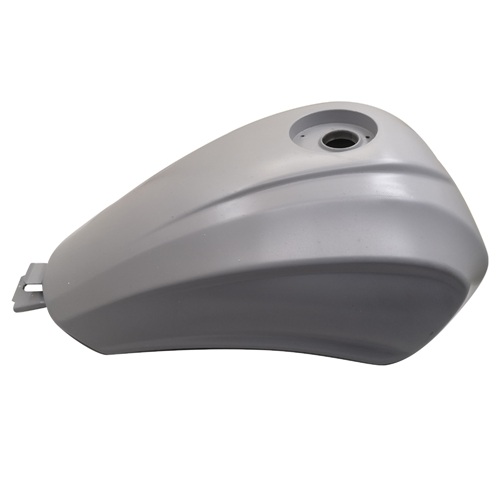
At its core, the gas tank stores fuel safely until it is delivered to the engine. However, its design influences fuel pressure, stability, safety, and mechanical reliability. Modern tanks are not mere containers—they are engineered components that withstand vibrations, fuel chemicals, and environmental exposure.
Motorcycle Tanks also affect weight distribution. Positioning the tank above or near the engine helps maintain a low center of gravity, improving handling. Tanks from RUIYUE are built with precise wall thickness and structural strength, ensuring they maintain shape even under long-term vibration and heat exposure.
A gas tank is more complex internally than it appears from the outside. Several components work together to keep fuel clean, controlled, and ready for combustion. A properly designed internal layout contributes directly to engine efficiency and rider safety.
Fuel Reservoir:
The main chamber stores gasoline. The material must resist corrosion, deformation, and internal pressure fluctuations. RUIYUE uses high-standard metals and controlled manufacturing processes to ensure consistent cavity strength.
Baffles:
These internal plates prevent fuel from sloshing during acceleration, braking, or turning. Without baffles, unstable fuel movement would cause handling imbalance and inconsistent fuel delivery.
Fuel Petcock or Fuel Pump Connection:
Older carbureted motorcycles use a petcock valve to control fuel flow. Modern fuel-injected bikes rely on an electric pump mounted inside or attached to the tank.
Filler Neck & Cap Assembly:
Designed to prevent spills, allow controlled evaporation, and protect against contamination.
Vent System:
Prevents vacuum lock, which would otherwise stop fuel from flowing.
Because RUIYUE operates advanced production lines and follows international quality control systems, our tanks maintain precise internal geometry that ensures stable performance across different motorcycles.
The gas tank feeds fuel to the engine through a controlled system designed to maintain consistent pressure. The mechanism changes depending on whether the motorcycle uses a carburetor or fuel injection.
Carbureted motorcycles rely on gravity or vacuum pressure:
Fuel exits the tank through the petcock.
It moves into fuel lines under gravity.
The carburetor mixes fuel with air.
The mixture enters the engine’s combustion chamber.
Because this system depends on tank height, the tank must sit above the carburetor for proper flow.
Fuel-injected motorcycles use an electric pump:
The pump draws fuel directly from inside the tank.
It pressurizes fuel for precise injection.
Electronic controls regulate flow to match engine demand.
This design requires excellent sealing and durable internal mounting brackets. RUIYUE fuel tanks are built to support the weight and vibration of pump hardware without structural fatigue.
motorcycle tanks come in various shapes depending on the bike’s design—sport, cruiser, touring, or off-road. Shape influences several functional factors:
Ergonomics: The rider’s knees grip the tank, so the contour improves comfort and safety.
Fuel capacity: Taller or wider tanks offer greater range.
Aerodynamics: Streamlined tanks reduce drag at high speeds.
Heat dissipation: Proper shape allows airflow around the engine.
RUIYUE designs tanks according to these engineering principles, ensuring that each model fits specific riding styles and motorcycle frames.
Different materials are selected based on weight, durability, and manufacturing precision.
| Material | Characteristics | Common Use |
|---|---|---|
| Steel | Strong, impact resistant, easy to shape | Standard motorcycles |
| Aluminum | Lightweight, corrosion resistant | Racing or premium builds |
| Plastic (HDPE) | Resistant to dents, lightweight | Off-road or budget models |
| Carbon Fiber | Extremely light, performance-oriented | High-end custom builds |
RUIYUE specializes in metal tanks (steel and aluminum), which offer superior welding integrity and safety performance for most motorcycle applications.
Because the tank carries flammable fuel, safety is a top engineering priority. Motorcycle tanks incorporate several features to ensure controlled and stable operation.
Pressure Venting:
Prevents excessive pressure buildup from heat expansion.
Secure Mounting Points:
Reinforced brackets keep the tank stable under vibration and impact.
Seam Strength:
Tanks undergo precision welding or forming to eliminate leaks.
Anti-Vibration Design:
Internal and external parts are reinforced to reduce fatigue cracks.
RUIYUE’s manufacturing facility includes testing equipment to evaluate tank pressure, tightness, and durability, supporting long-term use in both domestic and international markets.
The gas cap is more important than many riders realize. It regulates pressure, blocks debris, and prevents fuel evaporation.
Seals the tank to prevent spills
Maintains airflow through a built-in vent
Prevents contaminants from entering
Helps stabilize fuel pressure during temperature shifts
A malfunctioning gas cap can cause rough idling, poor fuel flow, or strong fuel odor. RUIYUE tanks are compatible with multiple cap designs and can be customized based on project requirements.
Understanding how a gas tank works helps identify problems more easily. Many fuel-related issues originate from the tank, not the engine.
Clogged fuel lines or filters caused by debris settling at the tank bottom
Vent blockage, creating vacuum lock
Rust formation inside steel tanks if not properly coated
Dented tanks affecting internal baffles or pump mounts
Using well-built tanks such as those in the RUIYUE motorcycle tank collection reduces the risk of these failures due to superior structural design and coating procedures.
A gas tank is exposed to constant vibration, pressure shifts, and environmental changes. Poor manufacturing leads to leaks, cracks, and fuel instability.
RUIYUE operates dedicated production lines, including a monthly output of tens of thousands of tanks. With IATF16949:2016 quality management practices, the company ensures:
precise metal forming
high integrity welding
consistent internal cleanliness
accurate mounting positions
durable coatings and corrosion resistance
Such production strength ensures that each tank performs reliably over years of riding.
Proper care extends the life of a motorcycle tank and ensures stable fuel delivery.
Keep the tank at least one-quarter full to reduce internal condensation.
Use clean, high-quality fuel to minimize contamination.
Inspect hoses, petcock, or pump connections regularly.
If storing long term, drain the tank or use stabilizer.
Wash the exterior gently to avoid scratching protective coatings.
A high-quality tank, such as those from RUIYUE, only reaches its full lifespan when paired with consistent maintenance.
A motorcycle gas tank is a precisely engineered component responsible for fuel storage, flow regulation, weight distribution, and riding stability. Its design, materials, and internal systems directly influence the motorcycle’s performance and safety. By understanding how the tank works, riders can better maintain their bikes and choose reliable components when replacements or upgrades are needed.
For durable, professionally manufactured options, explore RUIYUE’s motorcycle fuel tank series—built with advanced equipment, strict quality control, and the capacity to support both OEM and custom motorcycle projects.


 Mobile Phone:
 Phone:
 Contact Now