A motorcycle gas tank may look like a simple metal shell, but its lifespan is influenced by material quality, riding environment, fuel type, and long-term maintenance. Some tanks last only a few years under harsh conditions, while others function reliably for decades. Understanding what determines the lifespan of a gas tank helps riders plan repairs, prevent corrosion, and choose high-quality replacements when needed.
For riders looking for durable, industry-engineered replacements, RUIYUE manufactures precision-built fuel tanks designed for long service life. Our motorcycle tank line supports OEM builds, modifications, and high-performance applications.
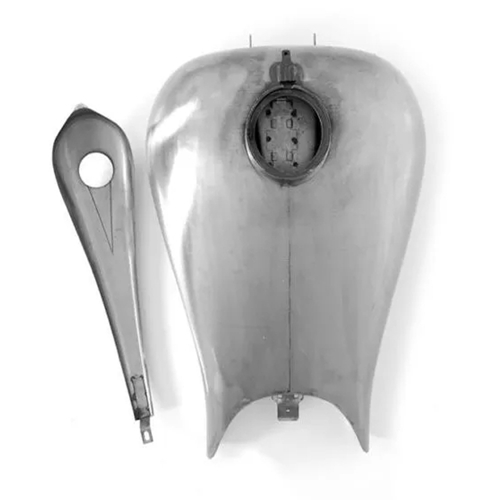
Most standard motorcycle gas tanks last 10 to 20 years with proper care. However, this estimate varies significantly depending on factors such as:
exposure to moisture and temperature cycles
type of metal or composite used
internal coating quality
frequency of riding and refueling
type of fuel stored inside
A well-maintained steel tank can exceed two decades of service, while one exposed to constant humidity or poor-quality fuel may deteriorate much faster. Tanks built with modern forming, welding, and coating technologies—such as those manufactured by RUIYUE—tend to outlast mass-produced, low-grade units.
The longevity of a tank depends on structural integrity, internal protection, and environmental conditions. A Motorcycle Tank is constantly exposed to vibration, fuel chemicals, road debris, UV radiation, and heat from the engine. The combination of these stresses makes material selection and manufacturing precision extremely important.
Material Type
Steel is strong and impact-resistant, but susceptible to rust if not properly treated. Aluminum offers excellent corrosion resistance, while plastic composite tanks avoid oxidation completely. RUIYUE tanks are formed using premium-grade steel and aluminum alloys, enhancing long-term strength.
Internal Coating Quality
Internal epoxy or corrosion-resistant coatings significantly extend tank life. Tanks without proper internal treatment degrade faster, especially when exposed to ethanol-blended fuel.
tank design and Welding
Poor weld seams or uneven thickness lead to cracking and leaks. RUIYUE applies controlled forming and precision welding to prevent weak points.
Fuel Type and Storage Habits
Ethanol absorbs water, accelerating internal rust. Long storage with partially filled tanks can cause condensation, which speeds up corrosion.
Rider Environment
Humid coastal regions or areas with extreme heat shorten the lifespan of low-quality tanks.
Tanks produced in advanced facilities, where quality is monitored through standardized testing, generally operate reliably for much longer periods.
Different materials fail in different ways, so their expected lifespan varies. The table below provides a comparison:
| Tank Material | Average Lifespan | Strengths | Weaknesses |
|---|---|---|---|
| Steel | 10–20 years | High structural strength, easy to repair | Vulnerable to internal rust |
| Aluminum | 15–25 years | Excellent corrosion resistance, lightweight | More expensive, harder to weld |
| Plastic (HDPE) | 10–15 years | Rust-free, lightweight | Can deform under heat |
| Composite/Carbon | 20+ years | Extremely strong and light | Used mainly for performance bikes |
Because durability depends heavily on manufacturing quality, RUIYUE ensures high-precision metal forming and welding, allowing our steel and aluminum tanks to maintain structural integrity over long-term use.
Even the best tanks eventually show signs of wear. Catching these symptoms early prevents fuel contamination, leaks, and costly repairs.
Interior rust flakes appearing in the fuel filter or carburetor bowls
This indicates internal corrosion that may soon cause leaks.
Fuel smell around the tank area
Hairline cracks, weakened seams, or deteriorated mounting points often cause seepage.
Bubbling or blistering paint
Fuel vapor escaping from micro-cracks pushes outward, damaging the paint layer.
Inconsistent fuel delivery or sputtering engine
Sediment from corrosion restricts flow, affecting performance.
Visible dents leading to internal distortion
Severe impacts can dislodge baffles or create stress areas that reduce tank lifespan.
When replacing a worn tank, riders often choose durable aftermarket options. RUIYUE’s motorcycle tank series is engineered to withstand long-term use, vibration, and harsh environments.
Operating conditions significantly affect how long a tank lasts. Riders in hot, humid, or coastal regions face different challenges than riders in dry climates.
Moisture accelerates oxidation, especially inside the tank. Steel tanks without proper coatings degrade much faster.
Rough terrain increases fatigue stress. Tanks must have reinforced seams and well-designed support brackets. RUIYUE applies multi-point reinforcement to stabilize tanks under continuous vibration.
Exposure to rain and UV radiation weakens paint protection and encourages rust formation. Leaving tanks half full also allows condensation to form inside.
Fuel evaporation increases pressure cycles within the tank. Materials with poor expansion resistance may crack over time.
These external conditions explain why some riders need tank replacements after only a few years, while others enjoy decades of trouble-free use.
Routine care can dramatically extend tank lifespan. Many tanks fail prematurely due to neglect rather than inherent weakness.
Keep the tank full in humid seasons
This minimizes condensation inside the tank.
Use quality fuel
Poor-quality gasoline leaves residue and accelerates corrosion.
Clean or replace filters regularly
Filters protect the fuel system from internal rust particles.
Inspect mounting points and seams
Hardware loosening causes stress cracks over time.
Drain the tank before long-term storage
Fuel left inside degrades and forms corrosive acids.
Apply internal tank sealants when needed
A fresh sealing layer restores an aging tank’s lifespan.
With proper maintenance, a high-quality tank such as those produced by RUIYUE can exceed its expected service life dramatically.
While maintenance plays a major role, manufacturing quality remains the number one determinant of how long a gas tank lasts. A tank built with advanced equipment and strict quality standards resists corrosion, vibration fatigue, and pressure-related failures much better than mass-produced low-grade tanks.
RUIYUE operates a dedicated production base with professional forming, welding, and coating processes:
controlled metal thickness for structural strength
precision welding to eliminate weak seams
high-quality coatings for corrosion resistance
laboratory testing for pressure and vibration durability
specialized assembly designed for fuel pumps and accessories
With monthly output from professional production lines and years of experience supporting both OEM and modified motorcycle brands, RUIYUE ensures each motorcycle tank performs reliably across long-term use.
Even if a tank has not completely failed, replacement may be necessary when:
internal corrosion becomes widespread
leaks appear along weld seams
the tank no longer fits upgraded components
the rider performs a full rebuild or customization
damage impacts safety or performance
Replacing a tank early prevents downstream damage to fuel pumps, injectors, and carburetors.
RUIYUE’s tank models offer long-lasting structure, compatibility with multiple motorcycle types, and custom solutions for riders modifying or restoring their bikes.
A motorcycle gas tank can last anywhere from 10 to 25 years, depending on material quality, maintenance, and riding environment. Internal rust, structural fatigue, and pressure cycles gradually reduce tank integrity, but tanks built with high-quality metals, advanced welding, and proper coatings can last far longer than average.
RUIYUE manufactures high-durability fuel tanks designed for long-term performance, making them ideal replacements for aging or damaged tanks. Riders seeking reliable, precisely engineered options can explore the full motorcycle tank collection to ensure their motorcycle remains safe, efficient, and ready for the road ahead.


 Mobile Phone:
 Phone:
 Contact Now