Indian motorcycles can provide reliable service when the specific model is correctly maintained, repaired with compatible parts, and operated within its intended conditions.
However, reliability cannot be judged accurately from the brand name alone. Model year, engine family, previous ownership, maintenance records, mileage, storage conditions, electrical accessories, and modifications can all affect the result.
A more useful question is: Is this particular motorcycle in good condition, and has it received the required maintenance?
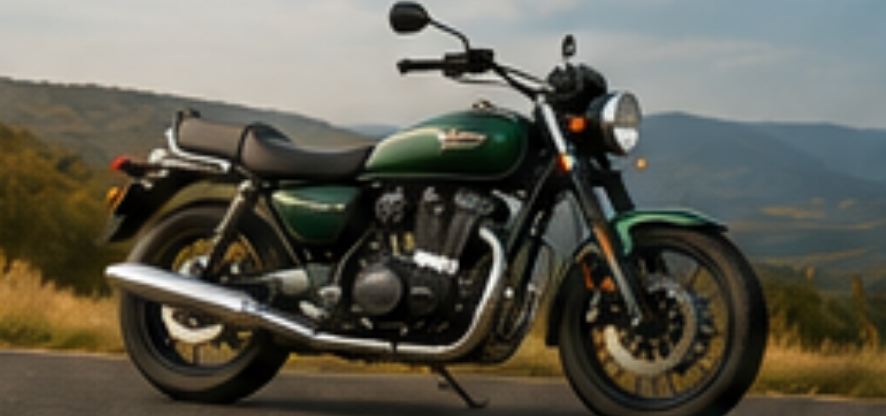
Two motorcycles of the same model and year may have very different histories.
One may have been serviced regularly and stored indoors. Another may have remained unused with old fuel, been modified without correct tuning, or operated for long periods with worn tires and weak battery connections.
Manufacturers may update software, electrical components, seals, hardware, or service procedures during a model’s production period.
Before purchasing a used motorcycle, check the vehicle identification number, service history, current technical campaigns, and availability of replacement parts.
Useful records include:
Engine-oil services
Brake-fluid replacement
Tire replacement
Battery care
Drive-belt adjustment
Cooling-system service where applicable
Spark-plug replacement
Software updates
Recall or campaign completion
A lower-mileage motorcycle without records is not automatically a safer purchase than a higher-mileage motorcycle with documented maintenance.
Ask to see the motorcycle before the engine has been warmed.
A cold start may reveal battery weakness, unusual mechanical noise, smoke, unstable idle, or starting difficulty that is less noticeable after warm-up.
Inspect the engine, transmission area, brake system, suspension, cooling system, and fuel connections.
A small stain does not always indicate a major fault, but the source should be identified before purchase.
Test the lights, indicators, horn, instruments, charging system, switches, heated accessories, audio system, and electronic ride functions fitted to the model.
Check tire age and condition, wheel bearings, brake pads, discs, steering movement, drive belt, suspension, and fasteners.
They can.
An exhaust, intake, fuel controller, lighting system, luggage accessory, handlebar, or suspension modification may be reliable when correctly selected and installed.
Problems occur when components do not fit, wiring is poorly routed, heat is not controlled, or engine calibration no longer matches the airflow.
An aftermarket exhaust must maintain suitable clearance from the rider, luggage, wiring, brake lines, and body panels.
A carbon-fiber or metal heat shield can help separate nearby components from direct radiant heat, but it must use secure mounting points and tolerate vibration.
Our carbon-fiber product range includes Motorcycle Muffler Covers, pipe heat shields, and exhaust protectors intended for exhaust-area protection and styling.
Follow the owner’s manual and maintenance schedule.
Use fluids and replacement parts with the specified ratings.
Keep battery terminals clean and secure.
Inspect tires before every ride.
Correct fluid leaks promptly.
Avoid overloading the motorcycle.
Keep modifications documented.
Protect electrical connectors from water and poor wiring repairs.
Store the motorcycle correctly during long periods of non-use.
Use a qualified technician for safety-related repairs.
We manufacture modified Motorcycle Exhaust mufflers, fuel tanks, fenders, backrests, connecting plates, luggage racks, docking hardware, and carbon-fiber exhaust components.
Our factory operates dedicated tank and exhaust production lines and supports product inspection, material control, surface finishing, assembly, and customized packaging.
For aftermarket projects, reliable fitment depends on accurate model information, dimensions, material selection, joining methods, surface treatment, and inspection—not simply the visual design.
Preparing heat shields, muffler covers, exhaust protectors, or matching motorcycle components for a product range?
Send us the model application, mounting dimensions, temperature exposure, carbon-fiber appearance, hardware requirements, packaging, and purchasing quantity. We will review the project and prepare a carbon fiber Motorcycle Parts proposal.


 Mobile Phone:
 Phone:
 Contact Now